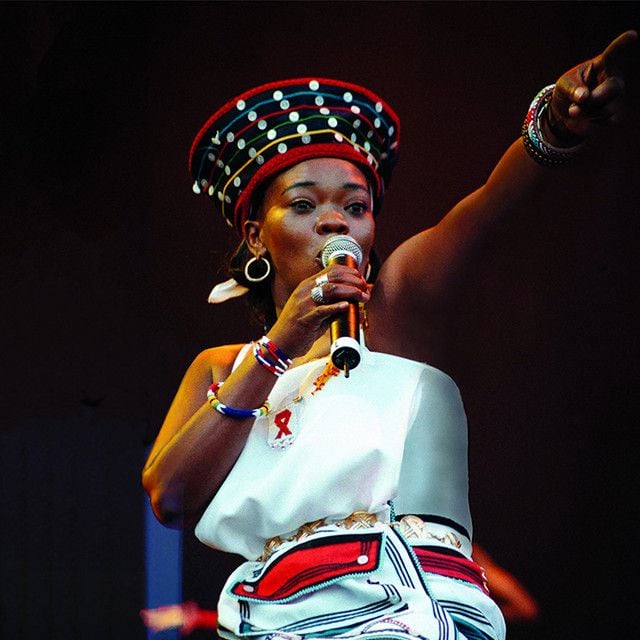
Miriam Makeba

Afropop

Miriam Makeba

Upcoming Miriam Makeba Tour

No Events
Artist isn’t on tour right now. Be the first to know when shows come up


About Miriam Makeba

Following a three-decade-long exile, Miriam Makeba's return to South Africa was celebrated as though a queen was restoring her monarchy. The response was fitting as Makeba remains the most important female vocalist to emerge out of South Africa. Hailed as the Empress of African Song and Mama Africa, Makeba helped bring African music to a global audience in the '60s. Nearly five decades after her debut with the Manhattan Brothers, she continues to play an important role in the growth of African music. Makeba's life has consistently been marked by struggle. As the daughter of a sangoma, a mystical traditional healer of the Xhosa tribe, she spent six months of her birth year in jail with her mother. Gifted with a dynamic vocal tone, Makeba recorded her debut single, "Lakutshona Llange," as a member of the Manhattan Brothers in 1953. Although she left to form an all-female group named the Skylarks in 1958, she reunited with members of the Manhattan Brothers when she accepted the lead female role in a musical version of King Kong, which told the tragic tale of Black African boxer Ezekiel "King Kong" Dlamani in 1959. The same year, she began an 18-month tour of South Africa with Alf Herbert's musical extravaganza African Jazz and Variety, and made an appearance in a documentary film, Come Back Africa. These successes led to invitations to perform in Europe and the United States. Makeba was embraced by the Black community. "Pata Pata," Makeba's signature tune, was written by Dorothy Masuka and recorded in South Africa in 1956 before eventually becoming a major hit in the U.S. in 1967. In late 1959, she performed for four weeks at The Village Vanguard in New York. She later made a guest appearance during Harry Belafonte's groundbreaking concerts at Carnegie Hall. A double-album of the event, released in 1960, received a Grammy Award. Makeba continued to periodically renew her collaboration with Belafonte, releasing an album in 1972 titled Belafonte & Miriam Makeba. Makeba then made a special guest appearance at the Harry Belafonte Tribute at Madison Square Garden in 1997. Makeba's successes as a vocalist were also balanced by her outspoken views about apartheid. In 1960, the government of South Africa revoked her citizenship. For the next 30 years, she was forced to be a "citizen of the world." Makeba received the Dag Hammerskjold Peace Prize in 1968. After marrying radical Black activist Stokely Carmichael, many of her concerts were canceled and her recording contract with RCA was dropped, resulting in even more problems for the artist. She eventually relocated to Guinea at the invitation of President Sekou Toure and agreed to serve as Guinea's delegate to the United Nations. In 1964 and 1975, she addressed the General Assembly of the United Nations on the horrors of apartheid. Makeba remained active as a musician over the years. In 1975, she recorded an album, A Promise, with Joe Sample, Stix Hooper, Arthur Adams, and David T. Walker of the Crusaders. Makeba joined Paul Simon and South Africa's Ladysmith Black Mambazo during their worldwide Graceland tour in 1987 and 1988. Two years later, she joined Odetta and Nina Simone for the One Nation tour. Makeba published her autobiography, Miriam: My Story, in English in 1988 and subsequently had it translated and published in German, French, Dutch, Italian, Spanish, and Japanese. Following Nelson Mandela's release from prison, Makeba returned to South Africa in December 1990. She performed her first concert in her homeland in 30 years in April 1991. She appeared in South African award-winning musical Sarafina in 1992 in the role of Sarafina's mother. Two years later, she reunited with her first husband, trumpeter Hugh Masekela, for the Tour of Hope. In 1995, Makeba formed a charity organization to raise funds to help protect the women of South Africa. The same year, she performed at the Vatican's Nevi Hall during a worldwide broadcast, Christmas in the Vatican. Makeba's first studio album in a decade, Homeland, was released in 2000. ~ Craig Harris, Rovi

Read more

Popular song

Miriam Makeba fans also like

About Miriam Makeba

Following a three-decade-long exile, Miriam Makeba's return to South Africa was celebrated as though a queen was restoring her monarchy. The response was fitting as Makeba remains the most important female vocalist to emerge out of South Africa. Hailed as the Empress of African Song and Mama Africa, Makeba helped bring African music to a global audience in the '60s. Nearly five decades after her debut with the Manhattan Brothers, she continues to play an important role in the growth of African music. Makeba's life has consistently been marked by struggle. As the daughter of a sangoma, a mystical traditional healer of the Xhosa tribe, she spent six months of her birth year in jail with her mother. Gifted with a dynamic vocal tone, Makeba recorded her debut single, "Lakutshona Llange," as a member of the Manhattan Brothers in 1953. Although she left to form an all-female group named the Skylarks in 1958, she reunited with members of the Manhattan Brothers when she accepted the lead female role in a musical version of King Kong, which told the tragic tale of Black African boxer Ezekiel "King Kong" Dlamani in 1959. The same year, she began an 18-month tour of South Africa with Alf Herbert's musical extravaganza African Jazz and Variety, and made an appearance in a documentary film, Come Back Africa. These successes led to invitations to perform in Europe and the United States. Makeba was embraced by the Black community. "Pata Pata," Makeba's signature tune, was written by Dorothy Masuka and recorded in South Africa in 1956 before eventually becoming a major hit in the U.S. in 1967. In late 1959, she performed for four weeks at The Village Vanguard in New York. She later made a guest appearance during Harry Belafonte's groundbreaking concerts at Carnegie Hall. A double-album of the event, released in 1960, received a Grammy Award. Makeba continued to periodically renew her collaboration with Belafonte, releasing an album in 1972 titled Belafonte & Miriam Makeba. Makeba then made a special guest appearance at the Harry Belafonte Tribute at Madison Square Garden in 1997. Makeba's successes as a vocalist were also balanced by her outspoken views about apartheid. In 1960, the government of South Africa revoked her citizenship. For the next 30 years, she was forced to be a "citizen of the world." Makeba received the Dag Hammerskjold Peace Prize in 1968. After marrying radical Black activist Stokely Carmichael, many of her concerts were canceled and her recording contract with RCA was dropped, resulting in even more problems for the artist. She eventually relocated to Guinea at the invitation of President Sekou Toure and agreed to serve as Guinea's delegate to the United Nations. In 1964 and 1975, she addressed the General Assembly of the United Nations on the horrors of apartheid. Makeba remained active as a musician over the years. In 1975, she recorded an album, A Promise, with Joe Sample, Stix Hooper, Arthur Adams, and David T. Walker of the Crusaders. Makeba joined Paul Simon and South Africa's Ladysmith Black Mambazo during their worldwide Graceland tour in 1987 and 1988. Two years later, she joined Odetta and Nina Simone for the One Nation tour. Makeba published her autobiography, Miriam: My Story, in English in 1988 and subsequently had it translated and published in German, French, Dutch, Italian, Spanish, and Japanese. Following Nelson Mandela's release from prison, Makeba returned to South Africa in December 1990. She performed her first concert in her homeland in 30 years in April 1991. She appeared in South African award-winning musical Sarafina in 1992 in the role of Sarafina's mother. Two years later, she reunited with her first husband, trumpeter Hugh Masekela, for the Tour of Hope. In 1995, Makeba formed a charity organization to raise funds to help protect the women of South Africa. The same year, she performed at the Vatican's Nevi Hall during a worldwide broadcast, Christmas in the Vatican. Makeba's first studio album in a decade, Homeland, was released in 2000. ~ Craig Harris, Rovi
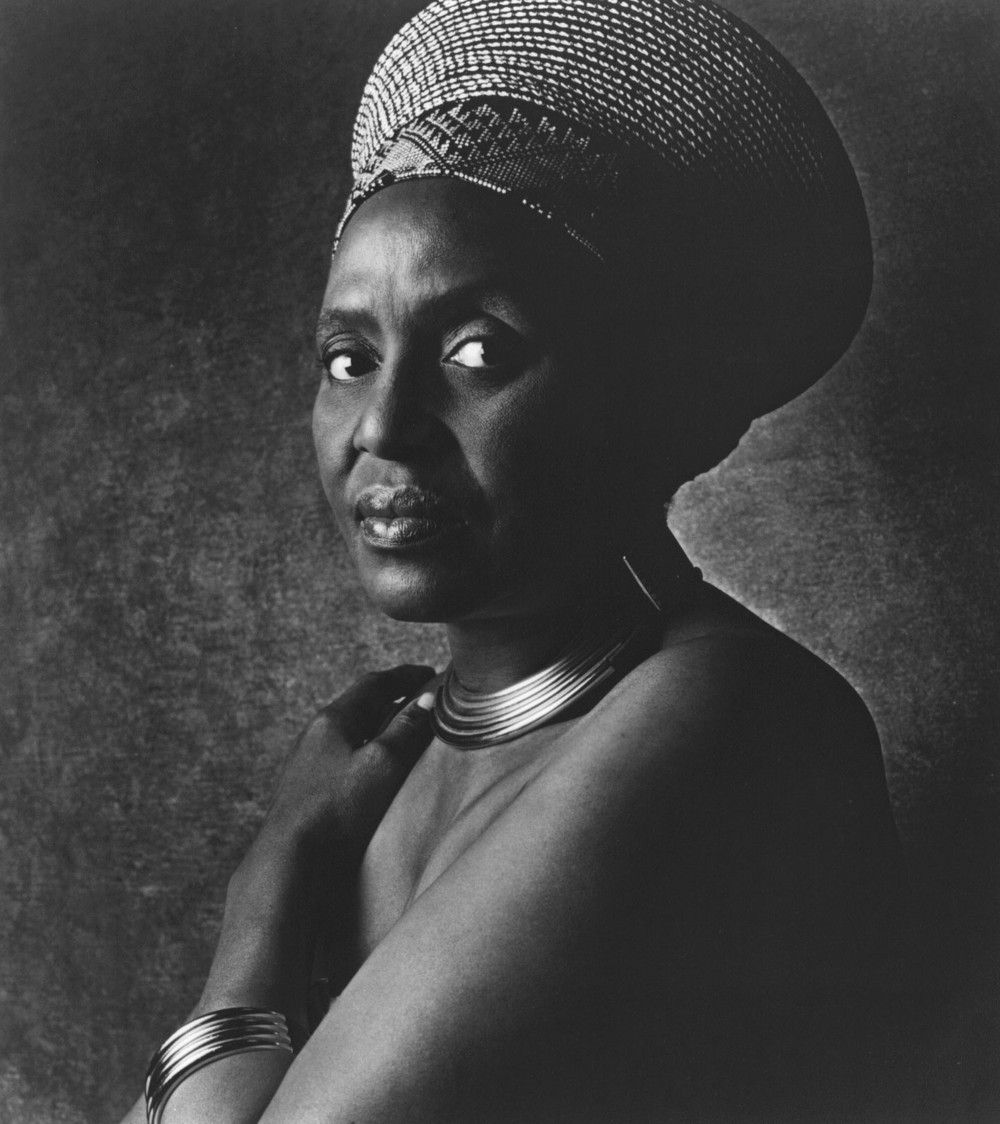
Miriam Makeba's Popular songs

  • Pata Pata - Stereo Version
  • Pata Pata - Mono Version
  • For What It's Worth - Remastered

Frequently Asked Questions

Following a three-decade-long exile, Miriam Makeba's return to South Africa was celebrated as though a queen was restoring her monarchy. The response was fitting as Makeba remains the most important female vocalist to emerge out of South Africa. Hailed as the Empress of African Song and Mama…
Miriam Makeba's most streamed songs include Pata Pata - Stereo Version, Pata Pata - Mono Version, For What It's Worth - Remastered. These tracks have accumulated millions of plays on Spotify and other major streaming platforms, making them essential listens for both new fans and long-time followers.
Miriam Makeba is primarily known for afropop, frequently fusing it with elements of south african jazz. This genre-blending approach has earned them a dedicated global fanbase and consistent chart placements on platforms like Beatport and Spotify.
You can stream Miriam Makeba's music on Spotify, Apple Music, YouTube Music, and Amazon Music. Popular tracks like Pata Pata - Stereo Version, Pata Pata - Mono Version, For What It's Worth - Remastered are available on all major platforms. Follow Miriam Makeba on Spotify to stay updated on new releases.
Miriam Makeba has over 661.6K+ monthly listeners on Spotify, reflecting a strong and growing global fanbase.
You can also follow Miriam Makeba on AllEvents to get notified about upcoming concerts and live events near you.
You can find and buy tickets for Miriam Makeba concerts on AllEvents. Browse upcoming shows, compare dates and venues, and secure your spot before they sell out. Miriam Makeba is known for high-energy live performances, so tickets tend to go fast.