John Field

Classical

John Field

Upcoming John Field Tour

No Events
Artist isn’t on tour right now. Be the first to know when shows come up


About John Field

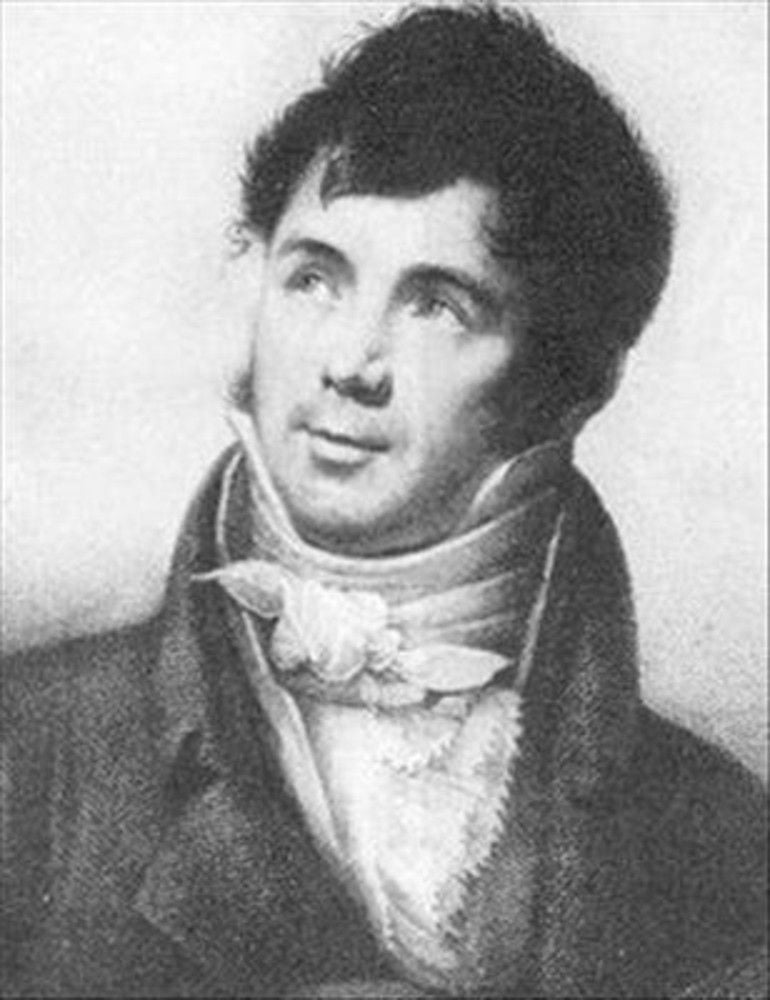
John Field, the greatest Irish musical figure of the Romantic era, developed a highly influential keyboard style that provided a direct path to the music of Chopin. In contrast to his immediate predecessors, Field wrote music that calls for characteristically expressive and sensitive performance rather than virtuosic bravura. At a time when piano music was typified by forms and genres like the sonata, theme and variations, fantasia, rondo, and fugue, the development of an independent composition emphasizing mood rather than thematic development or embellishment was important. The development of this kind of keyboard character piece paved the way for generations of Romantic composers, including Mendelssohn and Schumann. Born in Dublin to a violinist father, Field began his piano studies with his grandfather, an organist, and later studied with Tommaso Giordani. Field made his debut at the age of nine; in the following year, the family moved to London, where the young musician was apprenticed to composer/publisher/piano manufacturer Muzio Clementi. Although it was a mutually beneficial relationship -- Clementi had an excellent pianist to demonstrate the instruments he manufactured, and Field had someone to publish his compositions -- it was not necessarily always a friendly one according to contemporary accounts. Clementi did introduce Field to the music of Dussek, which would influence Field's own writing. Clementi published Field's first unnumbered pieces in 1795, and his first numbered pieces, the Three Sonatas, Op. 1, in 1801. Meanwhile, on February 7, 1799, Field premiered his Piano Concerto No. 1 and for the next few years was in demand as a soloist in London, known to such renowned and respected musicians like Spohr and Haydn. He is also believed to have studied violin with J.P. Salomon, the impresario who brought Haydn to London. After the apprenticeship expired, Field continued to work for Clementi through 1803. That was when Field chose to remain in St. Petersburg after his appearance there during a tour. Spohr's autobiography suggests that Field was poorly treated by his former master, and St. Petersburg may have provided Field's first real opportunity to establish an independent career. At any rate, Field lived in Russia for the rest of his life, achieving rather remarkable success as both pianist and composer. Settling in Moscow in 1807, he began teaching before embarking on more composition. His first piano pieces utilized local folk music, and he also produced a few chamber works. He married his pupil Adelaide Percheron in 1810, and continued to perform publicly to acclaim. Field's playing was marked by a particular sweetness and delicacy, and an emphasis on color and tasteful expressivity. Such qualities are reflected in his best-known and most influential compositions, primarily his nocturnes. The first three of these were published in 1812, and there would eventually be 18 of them, plus other pieces of a similar style. Listeners can easily hear these as pre-cursors to the music of Chopin. Field's seven piano concertos incorporate some of the same characteristics, with added virtuosic flourishes and imaginative orchestration that helped establish those features as attractions in the concertos of many other 19th century composers. A relationship with another woman produced a son in 1815, and he had another with his wife in 1819. Both sons became professional performers. Shortly after Field's death in 1837, his works faded into obscurity; today, however, his legacy as a seminal figure in Romantic piano composition is secure. ~ Steven Coburn & Patsy Morita, Rovi

Read more

Popular song

John Field fans also like

About John Field

John Field, the greatest Irish musical figure of the Romantic era, developed a highly influential keyboard style that provided a direct path to the music of Chopin. In contrast to his immediate predecessors, Field wrote music that calls for characteristically expressive and sensitive performance rather than virtuosic bravura. At a time when piano music was typified by forms and genres like the sonata, theme and variations, fantasia, rondo, and fugue, the development of an independent composition emphasizing mood rather than thematic development or embellishment was important. The development of this kind of keyboard character piece paved the way for generations of Romantic composers, including Mendelssohn and Schumann. Born in Dublin to a violinist father, Field began his piano studies with his grandfather, an organist, and later studied with Tommaso Giordani. Field made his debut at the age of nine; in the following year, the family moved to London, where the young musician was apprenticed to composer/publisher/piano manufacturer Muzio Clementi. Although it was a mutually beneficial relationship -- Clementi had an excellent pianist to demonstrate the instruments he manufactured, and Field had someone to publish his compositions -- it was not necessarily always a friendly one according to contemporary accounts. Clementi did introduce Field to the music of Dussek, which would influence Field's own writing. Clementi published Field's first unnumbered pieces in 1795, and his first numbered pieces, the Three Sonatas, Op. 1, in 1801. Meanwhile, on February 7, 1799, Field premiered his Piano Concerto No. 1 and for the next few years was in demand as a soloist in London, known to such renowned and respected musicians like Spohr and Haydn. He is also believed to have studied violin with J.P. Salomon, the impresario who brought Haydn to London. After the apprenticeship expired, Field continued to work for Clementi through 1803. That was when Field chose to remain in St. Petersburg after his appearance there during a tour. Spohr's autobiography suggests that Field was poorly treated by his former master, and St. Petersburg may have provided Field's first real opportunity to establish an independent career. At any rate, Field lived in Russia for the rest of his life, achieving rather remarkable success as both pianist and composer. Settling in Moscow in 1807, he began teaching before embarking on more composition. His first piano pieces utilized local folk music, and he also produced a few chamber works. He married his pupil Adelaide Percheron in 1810, and continued to perform publicly to acclaim. Field's playing was marked by a particular sweetness and delicacy, and an emphasis on color and tasteful expressivity. Such qualities are reflected in his best-known and most influential compositions, primarily his nocturnes. The first three of these were published in 1812, and there would eventually be 18 of them, plus other pieces of a similar style. Listeners can easily hear these as pre-cursors to the music of Chopin. Field's seven piano concertos incorporate some of the same characteristics, with added virtuosic flourishes and imaginative orchestration that helped establish those features as attractions in the concertos of many other 19th century composers. A relationship with another woman produced a son in 1815, and he had another with his wife in 1819. Both sons became professional performers. Shortly after Field's death in 1837, his works faded into obscurity; today, however, his legacy as a seminal figure in Romantic piano composition is secure. ~ Steven Coburn & Patsy Morita, Rovi

John Field's Popular songs

  • Nocturne No. 2 in C Minor
  • Nocturne No. 12 in G Major
  • Nocturne No. 10 in E Minor

Frequently Asked Questions

John Field, the greatest Irish musical figure of the Romantic era, developed a highly influential keyboard style that provided a direct path to the music of Chopin. In contrast to his immediate predecessors, Field wrote music that calls for characteristically expressive and sensitive performance…
John Field's most streamed songs include Nocturne No. 2 in C Minor, Nocturne No. 12 in G Major, Nocturne No. 10 in E Minor. These tracks have accumulated millions of plays on Spotify and other major streaming platforms, making them essential listens for both new fans and long-time followers.
John Field is primarily known for classical, frequently fusing it with elements of early romantic era. This genre-blending approach has earned them a dedicated global fanbase and consistent chart placements on platforms like Beatport and Spotify.
You can stream John Field's music on Spotify, Apple Music, YouTube Music, and Amazon Music. Popular tracks like Nocturne No. 2 in C Minor, Nocturne No. 12 in G Major, Nocturne No. 10 in E Minor are available on all major platforms. Follow John Field on Spotify to stay updated on new releases.
John Field has over 442.3K+ monthly listeners on Spotify, reflecting a strong and growing global fanbase.
You can also follow John Field on AllEvents to get notified about upcoming concerts and live events near you.
You can find and buy tickets for John Field concerts on AllEvents. Browse upcoming shows, compare dates and venues, and secure your spot before they sell out. John Field is known for high-energy live performances, so tickets tend to go fast.