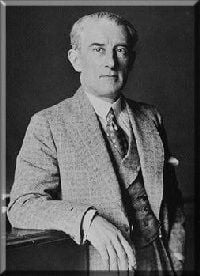
Isaac Albéniz

Classical

Isaac Albéniz

Upcoming Isaac Albéniz Tour

No Events
Artist isn’t on tour right now. Be the first to know when shows come up


About Isaac Albéniz

Born in 1860, Isaac Albéniz is best known for piano music that brilliantly evokes the spirit of Spain. As a composer-virtuoso, Albéniz successfully melded together composition and performance to create a bravura style reminiscent of the music of Liszt, seasoned with Spanish folk idioms. The work that most convincingly represents this synthesis of virtuosity and tradition is the enchantingly colorful and atmospheric Iberia, a suite of 12 pieces recalling Spanish (particularly Andalusian) places and dances. Albéniz used folklore as his inspiration, but created a singular melodic style, which eventually influenced Debussy and Ravel. Believing that artistic originality and an interest in one's national musical tradition do not exclude each other, Albéniz likewise was largely the creator of the Spanish musical idiom that would be adopted and developed by Granados and de Falla. A child prodigy, Albéniz was accepted, at the age of seven, as a private pupil by Antoine-François Marmontel, the celebrated piano pedagogue whose students included Bizet and Debussy. Back in Spain within a year, he gave a concert tour and eventually entered the Madrid Conservatory. He soon ran away, concertized around Spain, and in 1872 stowed away on a ship sailing for Latin America. Upon his return to Europe the following year, he entered the Leipzig Conservatory, where he briefly studied with Carl Reinecke. Soon thereafter, a patron enabled him to enter Brussels Conservatory to study piano and composition. Albéniz won the conservatory's first prize in 1879; the following year, he obtained an audience with Franz Liszt in Budapest; for a while he joined the master's entourage and continued to work on his technique as a pianist. After more wandering through Europe and South America, he settled in Barcelona in 1883, married, and began a family. By that time, Albéniz already had a reputation as a composer of brilliant salon music for the piano. Around 1890, he met Felipe Pedrell, a prominent musicologist, composer, and collector of folk songs. Following the encounter with Pedrell, Albéniz re-examined his work as a composer, deciding to seek new inspiration in the rich musical traditions of Spain. Not yet satisfied with his craftsmanship, Albéniz moved to Paris to study with Paul Dukas and Vincent d'Indy. The restless Albéniz somehow hung on to a job teaching piano at Paris' Schola Cantorum from 1893 to 1900; then he undertook further peregrinations, all the while working on his masterpiece, Iberia. An immensely popular work, Iberia has also been transcribed for orchestra; successful orchestral versions include Leopold Stokowski's orchestration of "Fête-Dieu à Seville." Another work which gained wide popularity as an orchestral transcription is the Tango for piano in D major. Albéniz also wrote for the stage; his lyric comedy Pepita Jiménez and several other works were produced in the 1890s. He died in 1909.

Read more

Popular song

Isaac Albéniz fans also like

About Isaac Albéniz

Born in 1860, Isaac Albéniz is best known for piano music that brilliantly evokes the spirit of Spain. As a composer-virtuoso, Albéniz successfully melded together composition and performance to create a bravura style reminiscent of the music of Liszt, seasoned with Spanish folk idioms. The work that most convincingly represents this synthesis of virtuosity and tradition is the enchantingly colorful and atmospheric Iberia, a suite of 12 pieces recalling Spanish (particularly Andalusian) places and dances. Albéniz used folklore as his inspiration, but created a singular melodic style, which eventually influenced Debussy and Ravel. Believing that artistic originality and an interest in one's national musical tradition do not exclude each other, Albéniz likewise was largely the creator of the Spanish musical idiom that would be adopted and developed by Granados and de Falla. A child prodigy, Albéniz was accepted, at the age of seven, as a private pupil by Antoine-François Marmontel, the celebrated piano pedagogue whose students included Bizet and Debussy. Back in Spain within a year, he gave a concert tour and eventually entered the Madrid Conservatory. He soon ran away, concertized around Spain, and in 1872 stowed away on a ship sailing for Latin America. Upon his return to Europe the following year, he entered the Leipzig Conservatory, where he briefly studied with Carl Reinecke. Soon thereafter, a patron enabled him to enter Brussels Conservatory to study piano and composition. Albéniz won the conservatory's first prize in 1879; the following year, he obtained an audience with Franz Liszt in Budapest; for a while he joined the master's entourage and continued to work on his technique as a pianist. After more wandering through Europe and South America, he settled in Barcelona in 1883, married, and began a family. By that time, Albéniz already had a reputation as a composer of brilliant salon music for the piano. Around 1890, he met Felipe Pedrell, a prominent musicologist, composer, and collector of folk songs. Following the encounter with Pedrell, Albéniz re-examined his work as a composer, deciding to seek new inspiration in the rich musical traditions of Spain. Not yet satisfied with his craftsmanship, Albéniz moved to Paris to study with Paul Dukas and Vincent d'Indy. The restless Albéniz somehow hung on to a job teaching piano at Paris' Schola Cantorum from 1893 to 1900; then he undertook further peregrinations, all the while working on his masterpiece, Iberia. An immensely popular work, Iberia has also been transcribed for orchestra; successful orchestral versions include Leopold Stokowski's orchestration of "Fête-Dieu à Seville." Another work which gained wide popularity as an orchestral transcription is the Tango for piano in D major. Albéniz also wrote for the stage; his lyric comedy Pepita Jiménez and several other works were produced in the 1890s. He died in 1909.

Isaac Albéniz's Popular songs

  • Suite espau00f1ola, Op.47: No. 1 Granada
  • Asturias (Leyenda)
  • Granada

Frequently Asked Questions

Born in 1860, Isaac Albéniz is best known for piano music that brilliantly evokes the spirit of Spain. As a composer-virtuoso, Albéniz successfully melded together composition and performance to create a bravura style reminiscent of the music of Liszt, seasoned with Spanish folk idioms. The work t…
Isaac Albéniz's most streamed songs include Suite espau00f1ola, Op.47: No. 1 Granada, Asturias (Leyenda), Granada. These tracks have accumulated millions of plays on Spotify and other major streaming platforms, making them essential listens for both new fans and long-time followers.
Isaac Albéniz is primarily known for classical, frequently fusing it with elements of impressionism. This genre-blending approach has earned them a dedicated global fanbase and consistent chart placements on platforms like Beatport and Spotify.
You can stream Isaac Albéniz's music on Spotify, Apple Music, YouTube Music, and Amazon Music. Popular tracks like Suite espau00f1ola, Op.47: No. 1 Granada, Asturias (Leyenda), Granada are available on all major platforms. Follow Isaac Albéniz on Spotify to stay updated on new releases.
Isaac Albéniz has over 570.1K+ monthly listeners on Spotify, reflecting a strong and growing global fanbase.
You can also follow Isaac Albéniz on AllEvents to get notified about upcoming concerts and live events near you.
You can find and buy tickets for Isaac Albéniz concerts on AllEvents. Browse upcoming shows, compare dates and venues, and secure your spot before they sell out. Isaac Albéniz is known for high-energy live performances, so tickets tend to go fast.