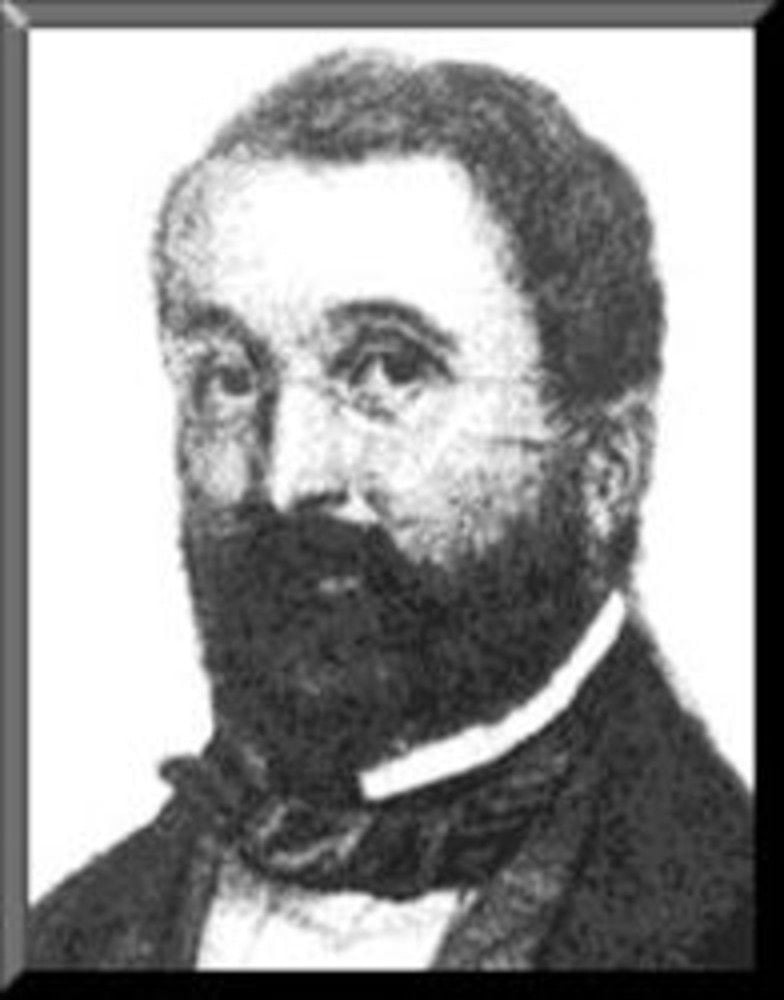
Frédéric Chopin

Classical

Frédéric Chopin

Upcoming Frédéric Chopin Tour

No Events
Artist isn’t on tour right now. Be the first to know when shows come up


About Frédéric Chopin

Frédéric Chopin was the most famous composer of Polish origin in the history of Western concert music. He was a progressive who revolutionized the harmonic content, the texture, and the emotional quality of the small piano piece, turning light dance forms, nocturnes, and study genres into profound works that were both daring and deeply inward. Born Fryderyk Franciszek Chopin to a French father and a Polish mother, probably on March 1, 1810, he was a native of Zelazowa Wola village west of Warsaw. In these rustic surroundings, he was exposed to both the classics of keyboard music (including, significantly, those of Bach), by teachers who immediately recognized him as a prodigy, and to Polish folk music, which would be reflected in a pioneering musical nationalism. He quickly outstripped the talents of most of Warsaw's top piano and composition teachers, and when he graduated from the Main School of Music in 1829, professor Józef Elsner pronounced him a genius. That year, Chopin set out on a tour of Austria, Germany, and France. During this period, he wrote his two piano concertos, which contain much of the typical brilliant style of virtuoso piano music of the era, but show the development of a gift for distinctive melody, both ornate and emotionally deep. Chopin returned to Warsaw but departed again, first for Vienna, where he heard news that Poland's uprising against its Russian, Prussian, and Austrian rulers had failed. The Polish national spirit would pervade some of his larger works, including the so-called "Revolutionary" Etude (the Etude in C minor, Op. 10, No. 12). He was encouraged by composer Robert Schumann, who reviewed his Variations, Op. 2, with the words "Hats off, gentlemen, a genius!" In 1832, Chopin headed for Paris, in many ways the center of European cultural life, and dazzled the city's musical elite, including Franz Liszt, in a concert at the Salle Pleyel. He immediately found himself in demand as a piano teacher, and soon he decided to settle in Paris, although he always hoped to return to Poland. He performed at aristocratic salons, cultivating then-new genres such as the étude (the word means "study," but in Chopin's hands it became much more), the nocturne, the waltz, and, in a Polish vein, the mazurka and the polonaise. After a planned marriage to a Polish girl, Maria Wodzinska, fell through, Chopin met writer Aurore Dudevant, who used the pen name George Sand. The pair began a torrid affair (Sand was married) and traveled together in 1838 to Mallorca, Spain, where they found the local citizenry disapproving of their unconventional relationship and were forced to lodge in a disused monastery. Chopin's creativity was fired, and he would write brilliantly innovative sets of piano music over the next few years. However, the weather turned cold in the winter of 1838-1839, and Chopin's health worsened as he and Sand lived in the unheated building; he was probably already suffering from tuberculosis. Back in France, Chopin and Sand took up residence in Paris and in summers at her estate in Nohant, where Chopin composed prolifically and the couple hosted painter Eugène Delacroix and other members of the cream of French artistic society. The romance cooled, though, and finally ended in 1847. One factor precipitating the breakup was Sand's negative portrayal of Chopin in her 1846 novel Lucrezia Floriani. Chopin's health was also worsening badly; he found it difficult to perform and could no longer attract crowds as a virtuoso. During political unrest in Paris in 1848, Chopin fled to the British Isles. He performed in London (once for Queen Victoria and Prince Albert) and in Glasgow, where he was the subject of romantic interest from Scots noblewoman Jane Stirling. Chopin, however, remarked that he was "closer to the grave than the nuptial bed," and indeed in November of 1848 he gave what would be his last concert, for Polish refugees. He returned to Paris and continued to receive a steady stream of admirers despite what was clearly a terminal illness; singer Pauline Viardot, according to historians Kornel Michałowski and Jim Samson, remarked that "all the grand Parisian ladies considered it de rigueur to faint in his room." Chopin died in Paris on October 17, 1849. ~ James Manheim, Rovi

Read more

Popular song

Frédéric Chopin fans also like

About Frédéric Chopin

Frédéric Chopin was the most famous composer of Polish origin in the history of Western concert music. He was a progressive who revolutionized the harmonic content, the texture, and the emotional quality of the small piano piece, turning light dance forms, nocturnes, and study genres into profound works that were both daring and deeply inward. Born Fryderyk Franciszek Chopin to a French father and a Polish mother, probably on March 1, 1810, he was a native of Zelazowa Wola village west of Warsaw. In these rustic surroundings, he was exposed to both the classics of keyboard music (including, significantly, those of Bach), by teachers who immediately recognized him as a prodigy, and to Polish folk music, which would be reflected in a pioneering musical nationalism. He quickly outstripped the talents of most of Warsaw's top piano and composition teachers, and when he graduated from the Main School of Music in 1829, professor Józef Elsner pronounced him a genius. That year, Chopin set out on a tour of Austria, Germany, and France. During this period, he wrote his two piano concertos, which contain much of the typical brilliant style of virtuoso piano music of the era, but show the development of a gift for distinctive melody, both ornate and emotionally deep. Chopin returned to Warsaw but departed again, first for Vienna, where he heard news that Poland's uprising against its Russian, Prussian, and Austrian rulers had failed. The Polish national spirit would pervade some of his larger works, including the so-called "Revolutionary" Etude (the Etude in C minor, Op. 10, No. 12). He was encouraged by composer Robert Schumann, who reviewed his Variations, Op. 2, with the words "Hats off, gentlemen, a genius!" In 1832, Chopin headed for Paris, in many ways the center of European cultural life, and dazzled the city's musical elite, including Franz Liszt, in a concert at the Salle Pleyel. He immediately found himself in demand as a piano teacher, and soon he decided to settle in Paris, although he always hoped to return to Poland. He performed at aristocratic salons, cultivating then-new genres such as the étude (the word means "study," but in Chopin's hands it became much more), the nocturne, the waltz, and, in a Polish vein, the mazurka and the polonaise. After a planned marriage to a Polish girl, Maria Wodzinska, fell through, Chopin met writer Aurore Dudevant, who used the pen name George Sand. The pair began a torrid affair (Sand was married) and traveled together in 1838 to Mallorca, Spain, where they found the local citizenry disapproving of their unconventional relationship and were forced to lodge in a disused monastery. Chopin's creativity was fired, and he would write brilliantly innovative sets of piano music over the next few years. However, the weather turned cold in the winter of 1838-1839, and Chopin's health worsened as he and Sand lived in the unheated building; he was probably already suffering from tuberculosis. Back in France, Chopin and Sand took up residence in Paris and in summers at her estate in Nohant, where Chopin composed prolifically and the couple hosted painter Eugène Delacroix and other members of the cream of French artistic society. The romance cooled, though, and finally ended in 1847. One factor precipitating the breakup was Sand's negative portrayal of Chopin in her 1846 novel Lucrezia Floriani. Chopin's health was also worsening badly; he found it difficult to perform and could no longer attract crowds as a virtuoso. During political unrest in Paris in 1848, Chopin fled to the British Isles. He performed in London (once for Queen Victoria and Prince Albert) and in Glasgow, where he was the subject of romantic interest from Scots noblewoman Jane Stirling. Chopin, however, remarked that he was "closer to the grave than the nuptial bed," and indeed in November of 1848 he gave what would be his last concert, for Polish refugees. He returned to Paris and continued to receive a steady stream of admirers despite what was clearly a terminal illness; singer Pauline Viardot, according to historians Kornel Michałowski and Jim Samson, remarked that "all the grand Parisian ladies considered it de rigueur to faint in his room." Chopin died in Paris on October 17, 1849. ~ James Manheim, Rovi

Frédéric Chopin's Popular songs

  • Chopin: Nocturne No. 20 in C-Sharp Minor, Op. Posth.
  • Nocturne No. 2 in E-Flat Major, Op. 9 No. 2
  • Waltz No. 19 in A minor, Op. posth.

Frequently Asked Questions

Frédéric Chopin was the most famous composer of Polish origin in the history of Western concert music. He was a progressive who revolutionized the harmonic content, the texture, and the emotional quality of the small piano piece, turning light dance forms, nocturnes, and study genres into profound w…
Frédéric Chopin's most streamed songs include Chopin: Nocturne No. 20 in C-Sharp Minor, Op. Posth., Nocturne No. 2 in E-Flat Major, Op. 9 No. 2, Waltz No. 19 in A minor, Op. posth.. These tracks have accumulated millions of plays on Spotify and other major streaming platforms, making them essential listens for both new fans and long-time followers.
Frédéric Chopin is primarily known for classical, frequently fusing it with elements of early romantic era. This genre-blending approach has earned them a dedicated global fanbase and consistent chart placements on platforms like Beatport and Spotify.
You can stream Frédéric Chopin's music on Spotify, Apple Music, YouTube Music, and Amazon Music. Popular tracks like Chopin: Nocturne No. 20 in C-Sharp Minor, Op. Posth., Nocturne No. 2 in E-Flat Major, Op. 9 No. 2, Waltz No. 19 in A minor, Op. posth. are available on all major platforms. Follow Frédéric Chopin on Spotify to stay updated on new releases.
Frédéric Chopin has over 6.6M+ monthly listeners on Spotify, reflecting a strong and growing global fanbase.
You can also follow Frédéric Chopin on AllEvents to get notified about upcoming concerts and live events near you.
You can find and buy tickets for Frédéric Chopin concerts on AllEvents. Browse upcoming shows, compare dates and venues, and secure your spot before they sell out. Frédéric Chopin is known for high-energy live performances, so tickets tend to go fast.