Electric Wizard

Doom Metal

Electric Wizard

Upcoming Electric Wizard Tour

No Events
Artist isn’t on tour right now. Be the first to know when shows come up


About Electric Wizard

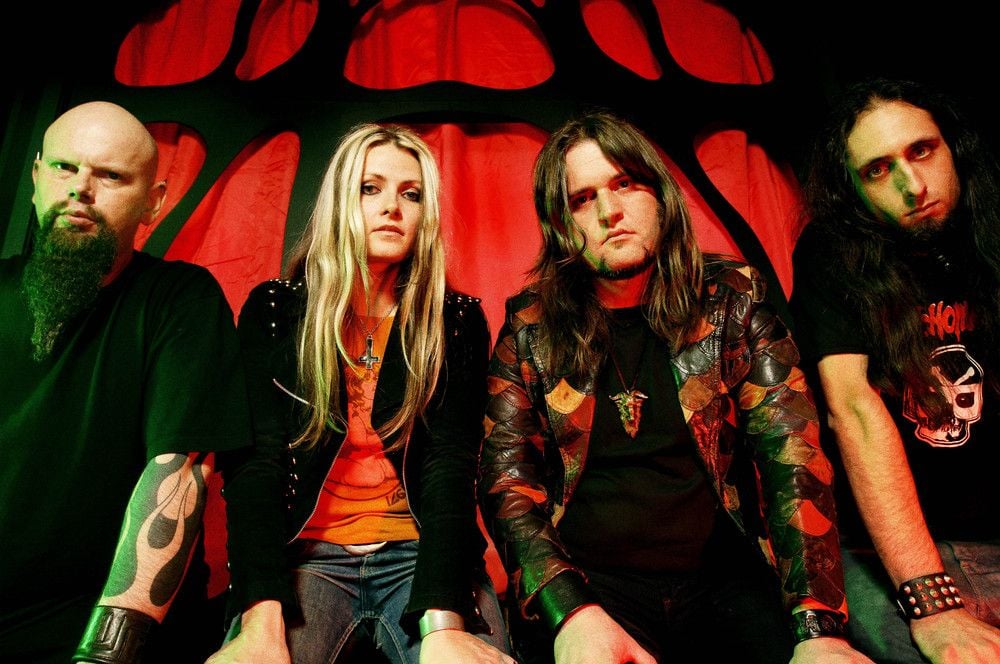
Often referred to as the "heaviest band in the universe," England's Electric Wizard have consistently redefined the preconceived thresholds of a detuned guitar chord with their peerless doom metal achievements -- this despite an often interpersonally troubled, if musically triumphant, career. Formed in darkest Dorset by vocalist/guitarist Justin Oborn (previously with Lords of Putrefaction), bassist Tim Bagshaw, and drummer Mark Greening, and initially known as Thy Grief Eternal (briefer still, simply Eternal), Electric Wizard made their debut with 1993's "Demon Lung" single -- a split release with fellow doomsters Our Haunted Kingdom (who later evolved into Orange Goblin). Released by Cathedral linchpin Lee Dorrian's doom-specialized Rise Above Records, the single paved the way for Electric Wizard's eponymous debut a year later, and, although it didn't quite revolutionize the genre (actually, it contained pretty standard doom fare for the time), the album still made for a rather impressive start. Released in 1996, sophomore album Come My Fanatics... was another matter entirely, however, effectively rewriting the doom rule book with the sheer volume and distortion contained in its planet-sized riffs, and rattling the underground metal scene to its core in the process. Unfortunately, its seismic aftershocks would also be felt by the members of Electric Wizard, who, due to various poorly explained injuries (Greening was dealt a broken arm, while Oborn first lost a fingertip in a domestic accident and, less surprisingly, later suffered a ruptured eardrum!), managed only a set of EPs -- 1997s Chrono.Naut and 1998's Supercoven -- in the next three years. Other sources suggested the band's absence had a lot more to do with crippling weed consumption and/or simple lack of motivation, but all speculation was duly obliterated by the long-awaited arrival of the band's third magnum opus, 2000's superlative Dopethrone. Like its predecessor four years prior, Dopethrone was a revelation in terms of absolute mass applied to amazingly memorable songwriting. In fact, it so effortlessly bridged the stylistic gaps between doom, sludge, stoner, horror, and, at times, even space metal, that 2002's unusually efficiently recorded follow-up, Let Us Prey, often felt like a collection of outtakes from it. And yet, Let Us Prey was anything but a throwaway effort, and helped further Electric Wizard's cause worldwide even as the group was crumbling from the inside. Tensions were mounting and the trio's ill-fated American tour that summer pushed the growing animosity between Oborn and his cohorts to the breaking point, and their final date in Philadelphia was actually billed as Electric Wizard's farewell show. This, as it turned out, proved to be a premature publicity stunt, but the band's next tour of the U.K. (in support of Cathedral) would see Greening replaced by former Iron Monkey drummer Justin Greaves, and ended with Bagshaw's long-rumored departure as well. Curiously, he quickly reconnected with Greening in a new group called Ramesses, while, for his part, Oborn took a few months off to ponder his next move. In time, he decided to move forward with a new, expanded lineup featuring ex-13 and Sourvein guitarist Liz Buckingham, bassist Rob Al-Issa, and the aforementioned Greaves, and the reborn Electric Wizard released their fifth full studio album in 2004's aptly named We Live. Electric Wizard had another lineup change in 2006 when Greaves was replaced by Shaun Rutter, who made his debut on their sixth album, 2007's Witchcult Today. The musical chairs would continue in 2008 when Al-Issa left the band and was replaced by bassist Tas Danazoglou. With their lineup once again solid, Electric Wizard released Black Masses in 2010. Electric Wizard went through yet another lineup change in 2012 when Glenn Charman and Simon Poole came on board to replace Tas and Rutter, respectively. After an extensive tour to promote the recording, Oborn and Buckingham made more personnel changes and undertook recording sessions at their own studio. Original drummer Mark Greening was brought in to replace Poole. Charman left before the recording sessions began and Oborn (under the moniker "Count Orloff), played bass in the studio. Shortly after completing the album, formally titled Time to Die, Greening was replaced by a returning Poole. Time to Die was released in September of 2014. In the aftermath, the band spent nearly three years touring, rehearsing, and writing. When it was time to record, the band chose a different production aesthetic to reflect their (d)evolved sound, a back-to-basics, extremely raw, heavy take on a crushing, hard blues stomp, Detroit garage sleaze, and droning druggy and creepy funereal proto-metal/acid rock. Co-produced by Oborn and Buckingham, Electric Wizard worked once more in their Satyr IX studio, attempting to put as little distance as possible between the band's live-from-the-floor playing and the (analog) recording tape. The end result, Wizard Bloody Wizard, was labeled by Oborn as "21st century funeral boogie" and released in November of 2017 via Witchfinder/Spinefarm Records. ~ Eduardo Rivadavia & Tara Koets, Rovi

Read more

Popular song

Electric Wizard fans also like

About Electric Wizard

Often referred to as the "heaviest band in the universe," England's Electric Wizard have consistently redefined the preconceived thresholds of a detuned guitar chord with their peerless doom metal achievements -- this despite an often interpersonally troubled, if musically triumphant, career. Formed in darkest Dorset by vocalist/guitarist Justin Oborn (previously with Lords of Putrefaction), bassist Tim Bagshaw, and drummer Mark Greening, and initially known as Thy Grief Eternal (briefer still, simply Eternal), Electric Wizard made their debut with 1993's "Demon Lung" single -- a split release with fellow doomsters Our Haunted Kingdom (who later evolved into Orange Goblin). Released by Cathedral linchpin Lee Dorrian's doom-specialized Rise Above Records, the single paved the way for Electric Wizard's eponymous debut a year later, and, although it didn't quite revolutionize the genre (actually, it contained pretty standard doom fare for the time), the album still made for a rather impressive start. Released in 1996, sophomore album Come My Fanatics... was another matter entirely, however, effectively rewriting the doom rule book with the sheer volume and distortion contained in its planet-sized riffs, and rattling the underground metal scene to its core in the process. Unfortunately, its seismic aftershocks would also be felt by the members of Electric Wizard, who, due to various poorly explained injuries (Greening was dealt a broken arm, while Oborn first lost a fingertip in a domestic accident and, less surprisingly, later suffered a ruptured eardrum!), managed only a set of EPs -- 1997s Chrono.Naut and 1998's Supercoven -- in the next three years. Other sources suggested the band's absence had a lot more to do with crippling weed consumption and/or simple lack of motivation, but all speculation was duly obliterated by the long-awaited arrival of the band's third magnum opus, 2000's superlative Dopethrone. Like its predecessor four years prior, Dopethrone was a revelation in terms of absolute mass applied to amazingly memorable songwriting. In fact, it so effortlessly bridged the stylistic gaps between doom, sludge, stoner, horror, and, at times, even space metal, that 2002's unusually efficiently recorded follow-up, Let Us Prey, often felt like a collection of outtakes from it. And yet, Let Us Prey was anything but a throwaway effort, and helped further Electric Wizard's cause worldwide even as the group was crumbling from the inside. Tensions were mounting and the trio's ill-fated American tour that summer pushed the growing animosity between Oborn and his cohorts to the breaking point, and their final date in Philadelphia was actually billed as Electric Wizard's farewell show. This, as it turned out, proved to be a premature publicity stunt, but the band's next tour of the U.K. (in support of Cathedral) would see Greening replaced by former Iron Monkey drummer Justin Greaves, and ended with Bagshaw's long-rumored departure as well. Curiously, he quickly reconnected with Greening in a new group called Ramesses, while, for his part, Oborn took a few months off to ponder his next move. In time, he decided to move forward with a new, expanded lineup featuring ex-13 and Sourvein guitarist Liz Buckingham, bassist Rob Al-Issa, and the aforementioned Greaves, and the reborn Electric Wizard released their fifth full studio album in 2004's aptly named We Live. Electric Wizard had another lineup change in 2006 when Greaves was replaced by Shaun Rutter, who made his debut on their sixth album, 2007's Witchcult Today. The musical chairs would continue in 2008 when Al-Issa left the band and was replaced by bassist Tas Danazoglou. With their lineup once again solid, Electric Wizard released Black Masses in 2010. Electric Wizard went through yet another lineup change in 2012 when Glenn Charman and Simon Poole came on board to replace Tas and Rutter, respectively. After an extensive tour to promote the recording, Oborn and Buckingham made more personnel changes and undertook recording sessions at their own studio. Original drummer Mark Greening was brought in to replace Poole. Charman left before the recording sessions began and Oborn (under the moniker "Count Orloff), played bass in the studio. Shortly after completing the album, formally titled Time to Die, Greening was replaced by a returning Poole. Time to Die was released in September of 2014. In the aftermath, the band spent nearly three years touring, rehearsing, and writing. When it was time to record, the band chose a different production aesthetic to reflect their (d)evolved sound, a back-to-basics, extremely raw, heavy take on a crushing, hard blues stomp, Detroit garage sleaze, and droning druggy and creepy funereal proto-metal/acid rock. Co-produced by Oborn and Buckingham, Electric Wizard worked once more in their Satyr IX studio, attempting to put as little distance as possible between the band's live-from-the-floor playing and the (analog) recording tape. The end result, Wizard Bloody Wizard, was labeled by Oborn as "21st century funeral boogie" and released in November of 2017 via Witchfinder/Spinefarm Records. ~ Eduardo Rivadavia & Tara Koets, Rovi
Electric Wizard's Popular songs

  • Funeralopolis
  • Vinum Sabbathi
  • Dopethrone

Frequently Asked Questions

Often referred to as the "heaviest band in the universe," England's Electric Wizard have consistently redefined the preconceived thresholds of a detuned guitar chord with their peerless doom metal achievements -- this despite an often interpersonally troubled, if musically triumphant, career.…
Electric Wizard's most streamed songs include Funeralopolis, Vinum Sabbathi, Dopethrone. These tracks have accumulated millions of plays on Spotify and other major streaming platforms, making them essential listens for both new fans and long-time followers.
Electric Wizard is primarily known for doom metal, frequently fusing it with elements of sludge metal. This genre-blending approach has earned them a dedicated global fanbase and consistent chart placements on platforms like Beatport and Spotify.
You can stream Electric Wizard's music on Spotify, Apple Music, YouTube Music, and Amazon Music. Popular tracks like Funeralopolis, Vinum Sabbathi, Dopethrone are available on all major platforms. Follow Electric Wizard on Spotify to stay updated on new releases.
Electric Wizard has over 234.8K+ monthly listeners on Spotify, reflecting a strong and growing global fanbase.
You can also follow Electric Wizard on AllEvents to get notified about upcoming concerts and live events near you.
You can find and buy tickets for Electric Wizard concerts on AllEvents. Browse upcoming shows, compare dates and venues, and secure your spot before they sell out. Electric Wizard is known for high-energy live performances, so tickets tend to go fast.