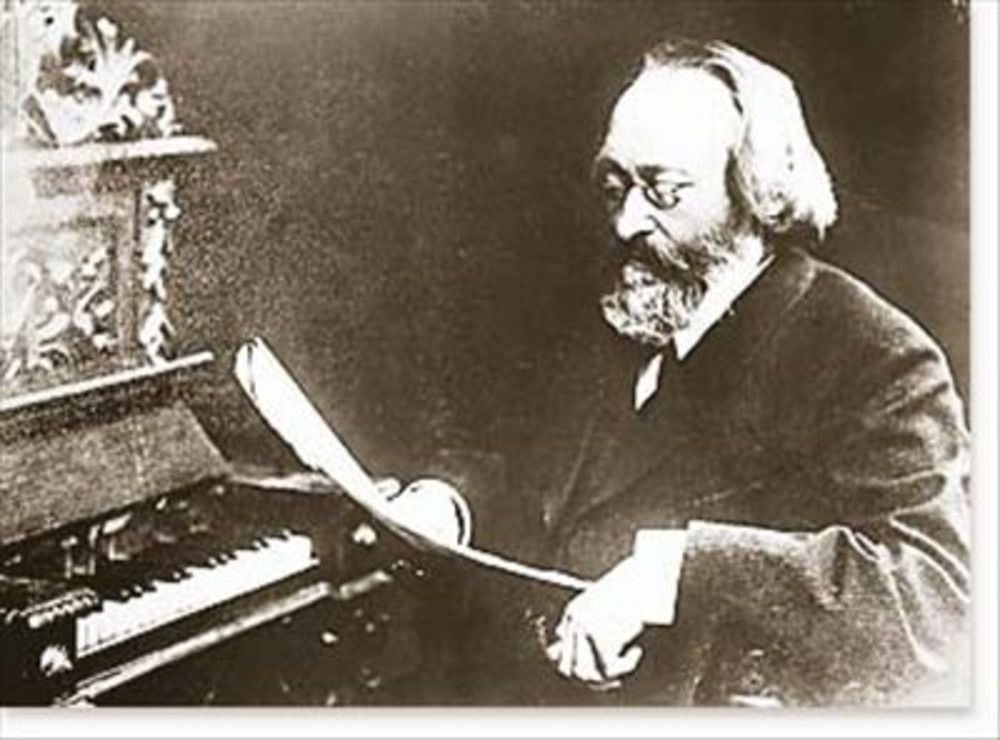
Clara Schumann

Classical

Clara Schumann

Upcoming Clara Schumann Tour

No Events
Artist isn’t on tour right now. Be the first to know when shows come up


About Clara Schumann

Clara Wieck Schumann has often been misleadingly referred to as the wife of composer Robert Schumann, and as one of the leading pianists of her day, rather than as a composer in her own right. Beginning in the last quarter of the twentieth century however, her stature as a composer finally became recognized. Still, she cannot by any reasonable measure be ranked as a major composer, owing in great part to her relatively small output. She nonetheless wrote significant compositions in both the keyboard and vocal realms. Had she been able to devote more time to composition -- she was occupied by maternal matters much of the time, having given birth to eight children -- she might well have risen to the artistic heights of her husband. Some of her later works -- the Six Lieder, Op. 23, for instance -- demonstrate considerable subtlety and depth. Clara Wieck was born on September 13, 1819, in Leipzig. She began studying the piano with her domineering and difficult father, whom her mother, a talented singer, later divorced. Mr. Wieck was a piano teacher of high repute. Clara gave her debut concert in Leipzig at the age of seven playing Kalkbrenner's duet, Variations on a March from Moses, with him. In 1830, Robert Schumann began study with Wieck, at which time he first met Clara. At twelve Clara toured Europe with her father, achieving great success in Paris and throughout Germany. By 1837 she was recognized as one of the leading virtuosos in Europe, and her career as a composer was blossoming as well. Her first compositions date from 1830, but her 1836 Soirées musicales, Op. 6, already shows considerable sophistication. In 1837 she and Schumann became engaged, with boisterous objections from her father. Clara seems to have broken from her father's influence when she toured Paris alone in 1839. The break was made complete the following year when she married Robert Schumann. They would have eight children, and Clara would slowly watch her sensitive husband lose his sanity. The couple at first lived in Leipzig, where both taught at the University. Clara did not write much in the early years of her marriage, though she did complete the Six Lieder, Op. 13 (1842-1843), and some piano pieces, including the Three Preludes and Fugue (1845). In 1853, the Schumanns moved to Düsseldorf, and Clara had a very productive summer, producing several significant works, including her Op. 20 Variations on a theme of Robert Schumann and the aforementioned Op. 23. In 1854, Robert Schumann suffered a mental collapse and attempted suicide, after which he was committed to an asylum where he lived for the rest of his life. He passed away in 1856. Johannes Brahms, who had been introduced to the Schumanns in 1853 through the violin virtuoso Joseph Joachim, became an increasingly important figure in Clara's life. To this day, their exact relationship is unclear, but it is difficult to refute claims they had an affair. Brahms was 14 years Clara's junior, and possibly felt their age difference too great an obstacle for marriage. Clara composed little in the years following Robert's death, even after her children were grown. She lived in Berlin from 1857 to 1863, at which time she moved to Baden-Baden. After briefly returning to Berlin in 1873, she took a teaching post at the Frankfurt Hoch Conservatory (1878). She continued to concertize until 1891. She died of a stroke on May 20, 1896.

Read more

Popular song

Clara Schumann fans also like

About Clara Schumann

Clara Wieck Schumann has often been misleadingly referred to as the wife of composer Robert Schumann, and as one of the leading pianists of her day, rather than as a composer in her own right. Beginning in the last quarter of the twentieth century however, her stature as a composer finally became recognized. Still, she cannot by any reasonable measure be ranked as a major composer, owing in great part to her relatively small output. She nonetheless wrote significant compositions in both the keyboard and vocal realms. Had she been able to devote more time to composition -- she was occupied by maternal matters much of the time, having given birth to eight children -- she might well have risen to the artistic heights of her husband. Some of her later works -- the Six Lieder, Op. 23, for instance -- demonstrate considerable subtlety and depth. Clara Wieck was born on September 13, 1819, in Leipzig. She began studying the piano with her domineering and difficult father, whom her mother, a talented singer, later divorced. Mr. Wieck was a piano teacher of high repute. Clara gave her debut concert in Leipzig at the age of seven playing Kalkbrenner's duet, Variations on a March from Moses, with him. In 1830, Robert Schumann began study with Wieck, at which time he first met Clara. At twelve Clara toured Europe with her father, achieving great success in Paris and throughout Germany. By 1837 she was recognized as one of the leading virtuosos in Europe, and her career as a composer was blossoming as well. Her first compositions date from 1830, but her 1836 Soirées musicales, Op. 6, already shows considerable sophistication. In 1837 she and Schumann became engaged, with boisterous objections from her father. Clara seems to have broken from her father's influence when she toured Paris alone in 1839. The break was made complete the following year when she married Robert Schumann. They would have eight children, and Clara would slowly watch her sensitive husband lose his sanity. The couple at first lived in Leipzig, where both taught at the University. Clara did not write much in the early years of her marriage, though she did complete the Six Lieder, Op. 13 (1842-1843), and some piano pieces, including the Three Preludes and Fugue (1845). In 1853, the Schumanns moved to Düsseldorf, and Clara had a very productive summer, producing several significant works, including her Op. 20 Variations on a theme of Robert Schumann and the aforementioned Op. 23. In 1854, Robert Schumann suffered a mental collapse and attempted suicide, after which he was committed to an asylum where he lived for the rest of his life. He passed away in 1856. Johannes Brahms, who had been introduced to the Schumanns in 1853 through the violin virtuoso Joseph Joachim, became an increasingly important figure in Clara's life. To this day, their exact relationship is unclear, but it is difficult to refute claims they had an affair. Brahms was 14 years Clara's junior, and possibly felt their age difference too great an obstacle for marriage. Clara composed little in the years following Robert's death, even after her children were grown. She lived in Berlin from 1857 to 1863, at which time she moved to Baden-Baden. After briefly returning to Berlin in 1873, she took a teaching post at the Frankfurt Hoch Conservatory (1878). She continued to concertize until 1891. She died of a stroke on May 20, 1896.

Clara Schumann's Popular songs

  • Schumann: 12 Gedichte aus Liebesfru00fchling, Op. 37: No. 11: Warum willst du andre fragen
  • 3 Romances, Op. 11: No. 1, Andante
  • Piano Concerto in A Minor, Op. 7: II. Romanze. Andante non troppo con grazia - Radio Edit

Frequently Asked Questions

Clara Wieck Schumann has often been misleadingly referred to as the wife of composer Robert Schumann, and as one of the leading pianists of her day, rather than as a composer in her own right. Beginning in the last quarter of the twentieth century however, her stature as a composer finally became…
Clara Schumann's most streamed songs include Schumann: 12 Gedichte aus Liebesfru00fchling, Op. 37: No. 11: Warum willst du andre fragen, 3 Romances, Op. 11: No. 1, Andante, Piano Concerto in A Minor, Op. 7: II. Romanze. Andante non troppo con grazia - Radio Edit. These tracks have accumulated millions of plays on Spotify and other major streaming platforms, making them essential listens for both new fans and long-time followers.
Clara Schumann is primarily known for classical, frequently fusing it with elements of early romantic era. This genre-blending approach has earned them a dedicated global fanbase and consistent chart placements on platforms like Beatport and Spotify.
You can stream Clara Schumann's music on Spotify, Apple Music, YouTube Music, and Amazon Music. Popular tracks like Schumann: 12 Gedichte aus Liebesfru00fchling, Op. 37: No. 11: Warum willst du andre fragen, 3 Romances, Op. 11: No. 1, Andante, Piano Concerto in A Minor, Op. 7: II. Romanze. Andante non troppo con grazia - Radio Edit are available on all major platforms. Follow Clara Schumann on Spotify to stay updated on new releases.
Clara Schumann has over 526.1K+ monthly listeners on Spotify, reflecting a strong and growing global fanbase.
You can also follow Clara Schumann on AllEvents to get notified about upcoming concerts and live events near you.
You can find and buy tickets for Clara Schumann concerts on AllEvents. Browse upcoming shows, compare dates and venues, and secure your spot before they sell out. Clara Schumann is known for high-energy live performances, so tickets tend to go fast.