Carl Maria von Weber

Classical

Carl Maria von Weber

Upcoming Carl Maria von Weber Tour

No Events
Artist isn’t on tour right now. Be the first to know when shows come up


About Carl Maria von Weber

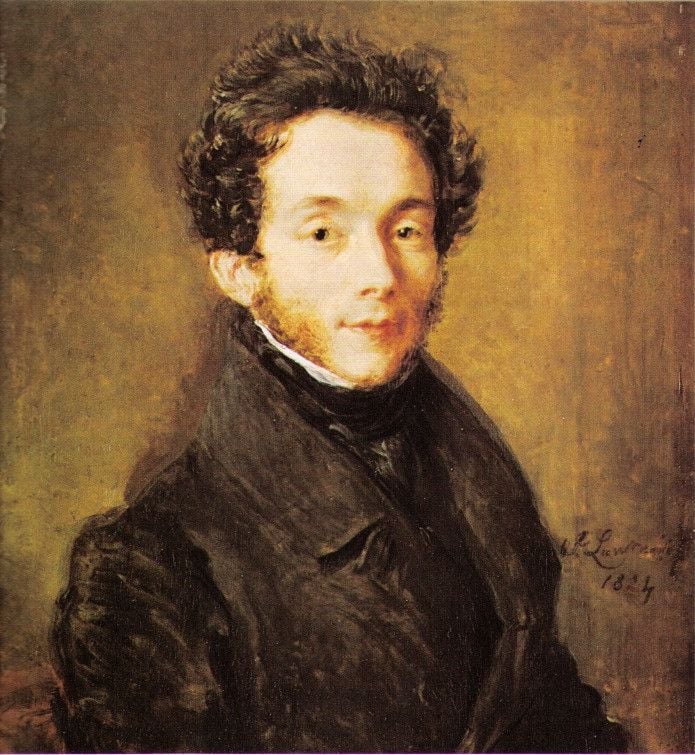
Composer, conductor, virtuoso, novelist, and essayist, Carl Maria von Weber is one of the great figures of German Romanticism. Known for his opera Der Freischütz, a work which expresses the spirit and aspirations of German Romanticism, Weber was the quintessential Romantic artist, turning to poetry, history, folklore, and myths for inspiration and striving to create a convincing synthesis of fantastic literature and music. Resembling the Faust legend, Der Freischütz (the term suggests the idea of an marksman relying on magic) is a story of two lovers whose ultimate fate is decided by supernatural forces, a story which Weber brings to life by masterfully translating into music the otherworldly, particularly sinister, aspects of the narrative. Weber's additional claim to fame are his works for woodwind instruments, which include two concertos and a concertino for clarinet, a concerto for bassoon, and a superb quintet for clarinet and string quartet. Born in 1786, Weber studied with Michael Haydn and Abbé Vogler. Appointed Kappelmeister at Breslau in 1804, he gained fame as an opera composer with the production, in 1811, of Abu Hassan. In 1813, he became director of the Prague Opera. In Prague, where he remained until 1816, Weber developed a mostly French repertoire, taking an active, and highly creative, part in the practical aspects of opera production. Underlying his often controversial efforts to reform opera production was his ardent desire to create a German operatic tradition. Although there were, indeed, capable composers in the German-speaking lands, the idea of a German opera provoked much opposition, as the public, trained to perceive opera as an exclusively Italian art form, regarded the concept of German opera as a contradiction in terms, despite the existence of a singspiel tradition, brilliantly exemplified by the Magic Flute by Mozart. While Weber's appointment as Royal Kappelmeister at Dresden, not to mention the triumphant production of Der Freischütz (1821), certainly strengthened his position as champion of German opera, his opponents remained unconvinced. Weber's next opera, Euryanthe (1823), failed to repeat the success of Der Freischütz. In Euryanthe, his only opera without spoken dialogue, Weber introduced the device of recurrent themes throughout the entire opera, thus anticipating Wagner. Although Weber brilliantly adapted a variety of harmonic styles and textures to the dramatic narrative, the overall effect was seriously hampered by a rambling libretto, an inept adaptation of a medieval romance already used by Shakespeare in Cymbeline. In 1825, Weber was invited to London. Among the works he was expected to conduct was Oberon, another opera with a Shakespearean theme. The librettist, who took the story from Shakespeare's Midsummer Night's Dream, created, in a misguided effort to please the public, an incredible hodgepodge, even more convoluted than Euryanthe, that not even Weber's genius could salvage. Nevertheless, Oberon, which the English public received with admiration, contains much gorgeous music, including examples of lush orchestration and exquisite tone painting. Often performed in concert, the overture is a true Romantic gem. Already in poor health before his London tour, Weber died in the English capital in 1826, shortly after the premiere of Oberon at Covent Garden.

Read more

Popular song

Carl Maria von Weber fans also like

About Carl Maria von Weber

Composer, conductor, virtuoso, novelist, and essayist, Carl Maria von Weber is one of the great figures of German Romanticism. Known for his opera Der Freischütz, a work which expresses the spirit and aspirations of German Romanticism, Weber was the quintessential Romantic artist, turning to poetry, history, folklore, and myths for inspiration and striving to create a convincing synthesis of fantastic literature and music. Resembling the Faust legend, Der Freischütz (the term suggests the idea of an marksman relying on magic) is a story of two lovers whose ultimate fate is decided by supernatural forces, a story which Weber brings to life by masterfully translating into music the otherworldly, particularly sinister, aspects of the narrative. Weber's additional claim to fame are his works for woodwind instruments, which include two concertos and a concertino for clarinet, a concerto for bassoon, and a superb quintet for clarinet and string quartet. Born in 1786, Weber studied with Michael Haydn and Abbé Vogler. Appointed Kappelmeister at Breslau in 1804, he gained fame as an opera composer with the production, in 1811, of Abu Hassan. In 1813, he became director of the Prague Opera. In Prague, where he remained until 1816, Weber developed a mostly French repertoire, taking an active, and highly creative, part in the practical aspects of opera production. Underlying his often controversial efforts to reform opera production was his ardent desire to create a German operatic tradition. Although there were, indeed, capable composers in the German-speaking lands, the idea of a German opera provoked much opposition, as the public, trained to perceive opera as an exclusively Italian art form, regarded the concept of German opera as a contradiction in terms, despite the existence of a singspiel tradition, brilliantly exemplified by the Magic Flute by Mozart. While Weber's appointment as Royal Kappelmeister at Dresden, not to mention the triumphant production of Der Freischütz (1821), certainly strengthened his position as champion of German opera, his opponents remained unconvinced. Weber's next opera, Euryanthe (1823), failed to repeat the success of Der Freischütz. In Euryanthe, his only opera without spoken dialogue, Weber introduced the device of recurrent themes throughout the entire opera, thus anticipating Wagner. Although Weber brilliantly adapted a variety of harmonic styles and textures to the dramatic narrative, the overall effect was seriously hampered by a rambling libretto, an inept adaptation of a medieval romance already used by Shakespeare in Cymbeline. In 1825, Weber was invited to London. Among the works he was expected to conduct was Oberon, another opera with a Shakespearean theme. The librettist, who took the story from Shakespeare's Midsummer Night's Dream, created, in a misguided effort to please the public, an incredible hodgepodge, even more convoluted than Euryanthe, that not even Weber's genius could salvage. Nevertheless, Oberon, which the English public received with admiration, contains much gorgeous music, including examples of lush orchestration and exquisite tone painting. Often performed in concert, the overture is a true Romantic gem. Already in poor health before his London tour, Weber died in the English capital in 1826, shortly after the premiere of Oberon at Covent Garden.

Carl Maria von Weber's Popular songs

  • 7 Variations on the Air Vien qua, Dorina bella by Bianchi, Op. 7, J. 53: Andante
  • 6 Violin Sonatas, Op. 10b No. 1 in F Major, J. 99: II. Romanza: Larghetto
  • 7 Variations on the Air Vien qua, Dorina bella by Bianchi, Op. 7, J. 53: Variation 1

Frequently Asked Questions

Composer, conductor, virtuoso, novelist, and essayist, Carl Maria von Weber is one of the great figures of German Romanticism. Known for his opera Der Freischütz, a work which expresses the spirit and aspirations of German Romanticism, Weber was the quintessential Romantic artist, turning to …
Carl Maria von Weber's most streamed songs include 7 Variations on the Air Vien qua, Dorina bella by Bianchi, Op. 7, J. 53: Andante, 6 Violin Sonatas, Op. 10b No. 1 in F Major, J. 99: II. Romanza: Larghetto, 7 Variations on the Air Vien qua, Dorina bella by Bianchi, Op. 7, J. 53: Variation 1. These tracks have accumulated millions of plays on Spotify and other major streaming platforms, making them essential listens for both new fans and long-time followers.
Carl Maria von Weber is primarily known for classical, frequently fusing it with elements of classical era. This genre-blending approach has earned them a dedicated global fanbase and consistent chart placements on platforms like Beatport and Spotify.
You can stream Carl Maria von Weber's music on Spotify, Apple Music, YouTube Music, and Amazon Music. Popular tracks like 7 Variations on the Air Vien qua, Dorina bella by Bianchi, Op. 7, J. 53: Andante, 6 Violin Sonatas, Op. 10b No. 1 in F Major, J. 99: II. Romanza: Larghetto, 7 Variations on the Air Vien qua, Dorina bella by Bianchi, Op. 7, J. 53: Variation 1 are available on all major platforms. Follow Carl Maria von Weber on Spotify to stay updated on new releases.
Carl Maria von Weber has over 751.6K+ monthly listeners on Spotify, reflecting a strong and growing global fanbase.
You can also follow Carl Maria von Weber on AllEvents to get notified about upcoming concerts and live events near you.
You can find and buy tickets for Carl Maria von Weber concerts on AllEvents. Browse upcoming shows, compare dates and venues, and secure your spot before they sell out. Carl Maria von Weber is known for high-energy live performances, so tickets tend to go fast.