BOØWY

J-pop

BOØWY

Upcoming BOØWY Tour

No Events
Artist isn’t on tour right now. Be the first to know when shows come up


About BOØWY

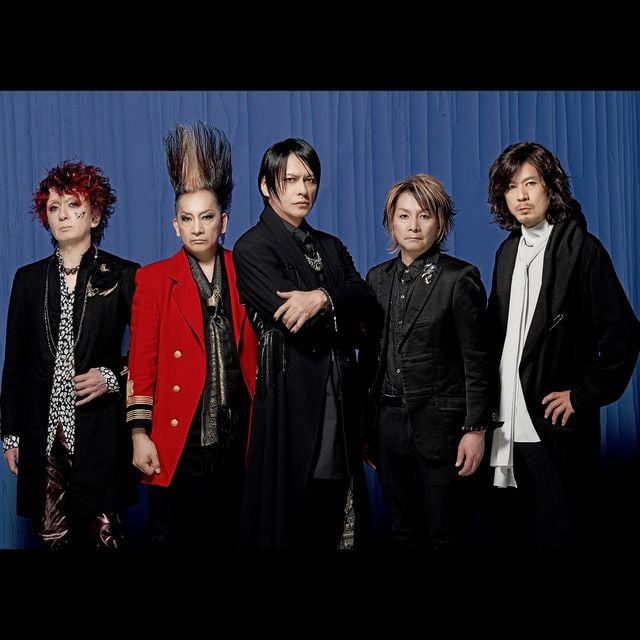
Although they would eventually become one of the biggest bands in Japan in the '80s, Boøwy had to face not only the pitfalls of a band finding its feet, but would have to fight an uphill battle against a Japanese record industry that wasn't too happy about a band that took promotion and management into its own hands. Boøwy's roots first took shape way back in 1979, when founding members Himuro Kyosuke and Hotei Tomoyasu were involved in a music contest in their hometown of Takasaki. Himuro's band, Death Penalty, won, and Hotei's band finished runner-up. Himuro coupled victory with signing to a label and moving himself and Death Penalty to Tokyo, and although Hotei still had school to finish, he was expelled and found himself moving to the city as well a year or so later. Death Penalty split shortly after moving to Tokyo, and Himuro found himself fronting the band Spinach Power for a short time before leaving that band in 1980. Himuro then approached the newly arrived Hotei Tomoyasu about starting a band. Auditions were held, and with all the members in place -- Kyosuke on vocals, Tomoyasu on guitar, Moroboshi Atsushi on guitar, Matsui Tsunematsu on bass, Fuazawa Matusaki on saxophone, and Kimura Mamoru on drums -- Boui were ready to take on Japan. After many gigs and mailing a number of demos to various record companies, Boui were signed to Victor Entertainment. The next few years were turbulent -- to say the least -- for the band. Takahashi Makoto joined the band in 1981 (replacing Mamoru, who had decided to call it a day), and in 1982, the newly christened Boøwy released their first album, Moral. The decision to explore a more pop-oriented direction led to the departure of Fuazawa and Moroboshi, but the core of Himuro and Hotei decided to soldier on as a four-piece -- which would be the lineup of the band until its demise in 1987. It was in 1983 that Boøwy made their most important and infamous decision, that being to leave their label and promote, manage, and release their own work themselves. With former Blue Film member Tsuchiya Mamoru taking over as manager, Boøwy were cut adrift, as no one (the music business in Japan at the time was not supportive of the D.I.Y. ethic of other scenes like that of the U.K. or the United States) would promote or give them any coverage. Eventually, by building word-of-mouth buzz with their popular live shows, they overcame the odds, eventually building up enough of a buzz to sign with small label Yui, leading -- in time -- to their contract with Toshiba EMI. Things started to snowball for Boøwy in 1985, when they released their highly successful breakthrough album, Boøwy. Over the next two years, the band would release four more albums (three studio, one live) and become the biggest and most popular group in Japan. In December of 1987, the band -- possibly due to internal tensions between the founders -- called it quits, and played two hugely successful farewell gigs in April 1988. Kyosuke and Tomoyasu both had highly successful careers after Boøwy. ~ Chris True, Rovi

Read more

Popular song

BOØWY fans also like

About BOØWY

Although they would eventually become one of the biggest bands in Japan in the '80s, Boøwy had to face not only the pitfalls of a band finding its feet, but would have to fight an uphill battle against a Japanese record industry that wasn't too happy about a band that took promotion and management into its own hands. Boøwy's roots first took shape way back in 1979, when founding members Himuro Kyosuke and Hotei Tomoyasu were involved in a music contest in their hometown of Takasaki. Himuro's band, Death Penalty, won, and Hotei's band finished runner-up. Himuro coupled victory with signing to a label and moving himself and Death Penalty to Tokyo, and although Hotei still had school to finish, he was expelled and found himself moving to the city as well a year or so later. Death Penalty split shortly after moving to Tokyo, and Himuro found himself fronting the band Spinach Power for a short time before leaving that band in 1980. Himuro then approached the newly arrived Hotei Tomoyasu about starting a band. Auditions were held, and with all the members in place -- Kyosuke on vocals, Tomoyasu on guitar, Moroboshi Atsushi on guitar, Matsui Tsunematsu on bass, Fuazawa Matusaki on saxophone, and Kimura Mamoru on drums -- Boui were ready to take on Japan. After many gigs and mailing a number of demos to various record companies, Boui were signed to Victor Entertainment. The next few years were turbulent -- to say the least -- for the band. Takahashi Makoto joined the band in 1981 (replacing Mamoru, who had decided to call it a day), and in 1982, the newly christened Boøwy released their first album, Moral. The decision to explore a more pop-oriented direction led to the departure of Fuazawa and Moroboshi, but the core of Himuro and Hotei decided to soldier on as a four-piece -- which would be the lineup of the band until its demise in 1987. It was in 1983 that Boøwy made their most important and infamous decision, that being to leave their label and promote, manage, and release their own work themselves. With former Blue Film member Tsuchiya Mamoru taking over as manager, Boøwy were cut adrift, as no one (the music business in Japan at the time was not supportive of the D.I.Y. ethic of other scenes like that of the U.K. or the United States) would promote or give them any coverage. Eventually, by building word-of-mouth buzz with their popular live shows, they overcame the odds, eventually building up enough of a buzz to sign with small label Yui, leading -- in time -- to their contract with Toshiba EMI. Things started to snowball for Boøwy in 1985, when they released their highly successful breakthrough album, Boøwy. Over the next two years, the band would release four more albums (three studio, one live) and become the biggest and most popular group in Japan. In December of 1987, the band -- possibly due to internal tensions between the founders -- called it quits, and played two hugely successful farewell gigs in April 1988. Kyosuke and Tomoyasu both had highly successful careers after Boøwy. ~ Chris True, Rovi

BOØWY's Popular songs

  • Bu30fbBLUE
  • ONLY YOU
  • MARIONETTE

Frequently Asked Questions

Although they would eventually become one of the biggest bands in Japan in the '80s, Boøwy had to face not only the pitfalls of a band finding its feet, but would have to fight an uphill battle against a Japanese record industry that wasn't too happy about a band that took promotion and management …
BOØWY's most streamed songs include Bu30fbBLUE, ONLY YOU, MARIONETTE. These tracks have accumulated millions of plays on Spotify and other major streaming platforms, making them essential listens for both new fans and long-time followers.
BOØWY is primarily known for j-pop, frequently fusing it with elements of japanese new wave. This genre-blending approach has earned them a dedicated global fanbase and consistent chart placements on platforms like Beatport and Spotify.
You can stream BOØWY's music on Spotify, Apple Music, YouTube Music, and Amazon Music. Popular tracks like Bu30fbBLUE, ONLY YOU, MARIONETTE are available on all major platforms. Follow BOØWY on Spotify to stay updated on new releases.
BOØWY has over 527.7K+ monthly listeners on Spotify, reflecting a strong and growing global fanbase.
You can also follow BOØWY on AllEvents to get notified about upcoming concerts and live events near you.
You can find and buy tickets for BOØWY concerts on AllEvents. Browse upcoming shows, compare dates and venues, and secure your spot before they sell out. BOØWY is known for high-energy live performances, so tickets tend to go fast.