Dub
Gainesville, United States
Asheville, United States
Hawley, United States
Denver, United States
Venice, United States
Santa Cruz, United States
Solana Beach, United States
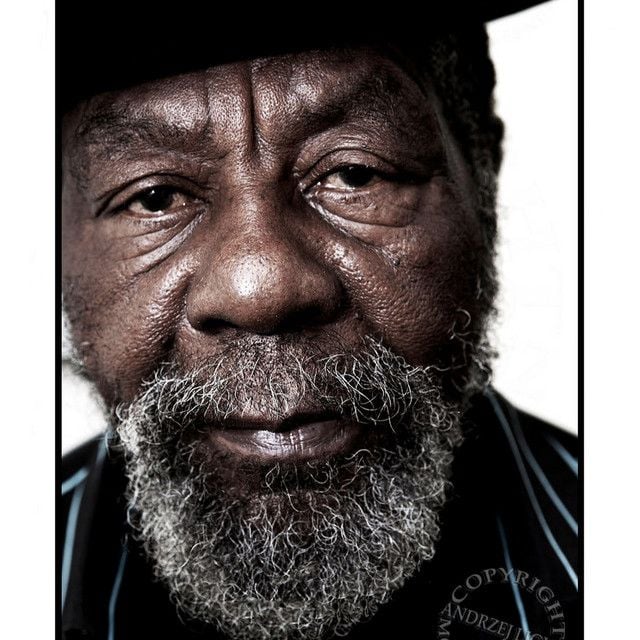
The most successful of the second-generation reggae bands, Jamaica's Black Uhuru maintained their high quality despite numerous personnel changes throughout their many decades together. The first reggae band to win a Grammy award (for their 1983 album Anthem), Black Uhuru offered a dynamic and progressive sound during their 1970s and early-'80s heyday. Led by mainstay Derrick "Duckie" Simpson, a reunion of the group's earliest lineup enjoyed renewed critical acclaim in the early '90s before fragmenting into warring factions and a lawsuit that gave Simpson possession of the band name, which he continued to use into the new millennium on 2001's Dynasty. The band, whose name comes from the Swahili word meaning "freedom," was formed in 1972 in the Waterhouse district of Kingston by Simpson, Don Carlos, and Rudolph "Garth" Dennis. Initially playing under the name Black Sounds Uhuru, they eventually shortened it to its more familiar version five years later. When the group experienced difficulties securing a record contract, Spencer left to pursue a solo career and Dennis joined the Wailing Souls. Simpson, who remained the thread throughout Black Uhuru's evolution, reorganized the band with Errol "Jay" Wilson and quivery-voiced lead vocalist Michael Rose. Accompanied by the rhythm section of drummer Sly Dunbar and bassist Robbie Shakespeare, who would become the pioneering production duo Sly & Robbie, Black Uhuru created a sound that made them a match for any reggae ensemble.
Read moreThe most successful of the second-generation reggae bands, Jamaica's Black Uhuru maintained their high quality despite numerous personnel changes throughout their many decades together. The first reggae band to win a Grammy award (for their 1983 album Anthem), Black Uhuru offered a dynamic and progressive sound during their 1970s and early-'80s heyday. Led by mainstay Derrick "Duckie" Simpson, a reunion of the group's earliest lineup enjoyed renewed critical acclaim in the early '90s before fragmenting into warring factions and a lawsuit that gave Simpson possession of the band name, which he continued to use into the new millennium on 2001's Dynasty. The band, whose name comes from the Swahili word meaning "freedom," was formed in 1972 in the Waterhouse district of Kingston by Simpson, Don Carlos, and Rudolph "Garth" Dennis. Initially playing under the name Black Sounds Uhuru, they eventually shortened it to its more familiar version five years later. When the group experienced difficulties securing a record contract, Spencer left to pursue a solo career and Dennis joined the Wailing Souls. Simpson, who remained the thread throughout Black Uhuru's evolution, reorganized the band with Errol "Jay" Wilson and quivery-voiced lead vocalist Michael Rose. Accompanied by the rhythm section of drummer Sly Dunbar and bassist Robbie Shakespeare, who would become the pioneering production duo Sly & Robbie, Black Uhuru created a sound that made them a match for any reggae ensemble.
| Date | Event name | Venue |
|---|---|---|
| 06 Jun 2026 | Black Uhuru in Gainesville | Heartwood Soundstage, Gainesville, FL, United States |
| 07 Jun 2026 | Black Uhuru in Asheville | Third Room, Asheville, NC, United States |
| 17 Jun 2026 | Black Uhuru in Palmyra Township | 118 North, Hawley, PA, United States |
| 12 Jul 2026 | Black Uhuru in Denver | Levitt Pavilion Denver, Denver, CO, United States |
| 06 Sep 2026 | Black Uhuru in Los Angeles | The Venice West, Venice, CA, United States |
| 12 Sep 2026 | Moe's Alley Presents: Black Uhuru | Moe's Alley, Santa Cruz, CA, United States |
| 14 Sep 2026 | Black Uhuru in Solana Beach | Belly Up, Solana Beach, CA, United States |