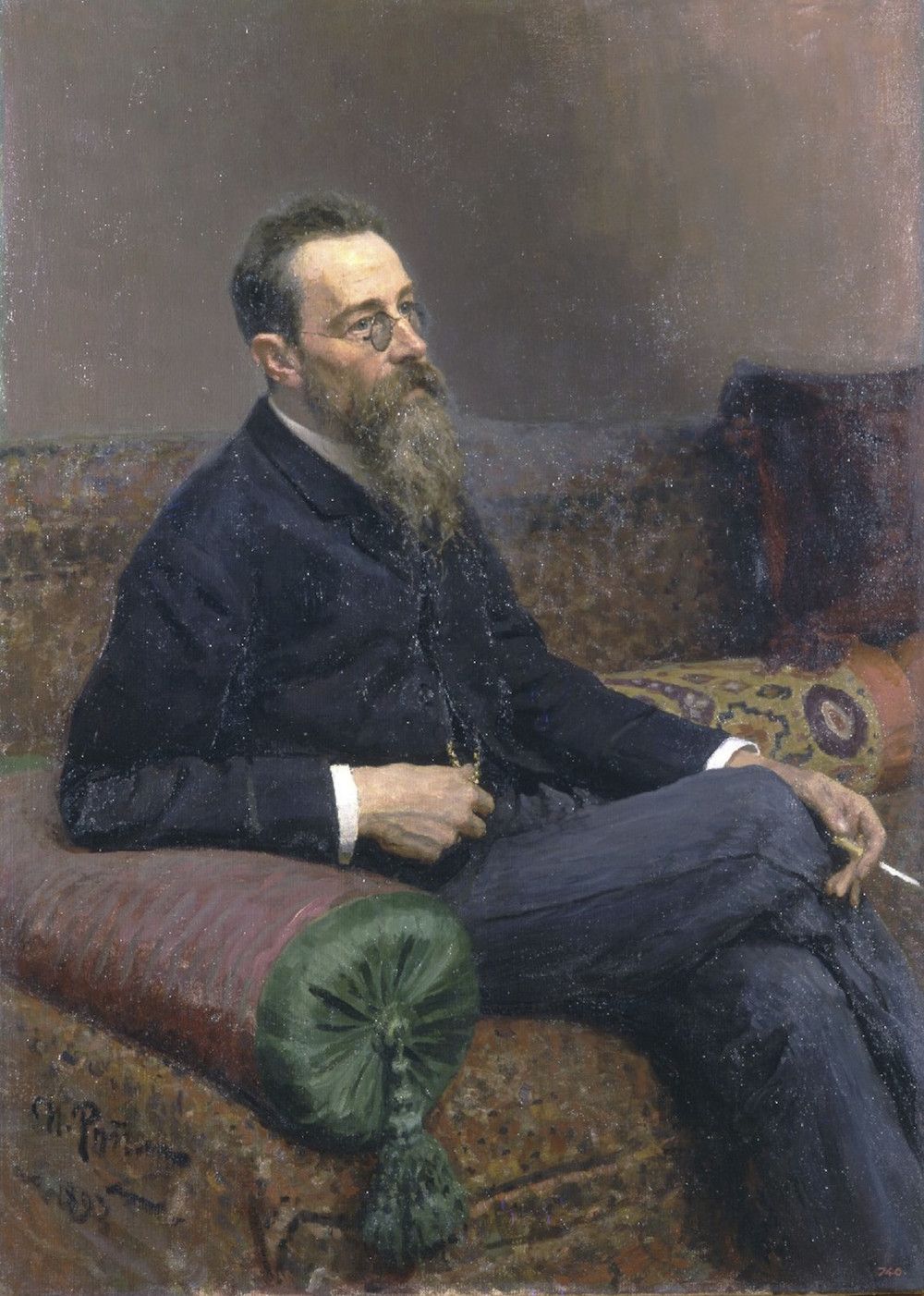
Antonín Dvořák

Classical

Antonín Dvořák

Upcoming Antonín Dvořák Tour

No Events
Artist isn’t on tour right now. Be the first to know when shows come up


About Antonín Dvořák

Widely regarded as the most distinguished of Czech composers, Antonin Dvorák produced attractive and vigorous music possessed of clear formal outlines, melodies that are both memorable and spontaneous-sounding, and a colorful, effective instrumental sense. Dvorák is considered one of the major figures of nationalism, both proselytizing for and making actual use of folk influences, which he expertly combined with classical forms in works of all genres. His symphonies are among his most widely appreciated works; the Symphony No. 9 ("From the New World," 1893) takes a place among the finest and most popular examples of the symphonic literature. Similarly, his Cello Concerto (1894-1895) is one of the cornerstones of the repertory, providing the soloist an opportunity for virtuosic flair and soaring expressivity. Dvorák displayed special skill in writing for chamber ensembles, producing dozens of such works; among these, his 14 string quartets (1862-1895), the "American" Quintet (1893) and the "Dumky" Trio (1890-1891) are outstanding examples of their respective genres, overflowing with attractive, folk-like melodies set like jewels into the solid fixtures of Brahmsian absolute forms. Dvorák's "American" and "New World" works arose during the composer's sojourn in the United States in the early 1890s; he was uneasy with American high society and retreated to a small, predominantly Czech town in Iowa for summer vacations during his stay. However, he did make the acquaintance of the pioneering African-American baritone H.T. Burleigh, who may have influenced the seemingly spiritual-like melodies in the "New World" symphony and other works; some claim that the similarity resulted instead from a natural affinity between African-American and Eastern European melodic structures. By that time, Dvorák was among the most celebrated of European composers, seen by many as the heir to Brahms, who had championed Dvorák during the younger composer's long climb to the top. The son of a butcher and occasional zither player, Dvorák studied the organ in Prague as a young man and worked variously as a café violist and church organist during the 1860s and 1870s while creating a growing body of symphonies, chamber music, and Czech-language opera. For three years in the 1870s he won a government grant (the Viennese critic Hanslick was among the judges) designed to help the careers of struggling young creative artists. Brahms gained for Dvorák a contract with his own publisher, Simrock, in 1877; the association proved a profitable one despite an initial controversy that flared when Dvorák insisted on including Czech-language work titles on the printed covers, a novelty in those musically German-dominated times. In the 1880s and 1890s Dvorák's reputation became international in scope thanks to a series of major masterpieces that included the Seventh, Eighth, and "New World" symphonies. At the end of his life he turned to opera once again; Rusalka, from 1901, incorporates Wagnerian influences into the musical telling of its legend-based story, and remains the most frequently performed of the composer's vocal works. Dvorák, a professor at Prague University from 1891 on, exerted a deep influence on Czech music of the 20th century; among his students was Josef Suk, who also became his son-in-law. ~ Rovi Staff, Rovi

Read more

Popular song

Antonín Dvořák fans also like

About Antonín Dvořák

Widely regarded as the most distinguished of Czech composers, Antonin Dvorák produced attractive and vigorous music possessed of clear formal outlines, melodies that are both memorable and spontaneous-sounding, and a colorful, effective instrumental sense. Dvorák is considered one of the major figures of nationalism, both proselytizing for and making actual use of folk influences, which he expertly combined with classical forms in works of all genres. His symphonies are among his most widely appreciated works; the Symphony No. 9 ("From the New World," 1893) takes a place among the finest and most popular examples of the symphonic literature. Similarly, his Cello Concerto (1894-1895) is one of the cornerstones of the repertory, providing the soloist an opportunity for virtuosic flair and soaring expressivity. Dvorák displayed special skill in writing for chamber ensembles, producing dozens of such works; among these, his 14 string quartets (1862-1895), the "American" Quintet (1893) and the "Dumky" Trio (1890-1891) are outstanding examples of their respective genres, overflowing with attractive, folk-like melodies set like jewels into the solid fixtures of Brahmsian absolute forms. Dvorák's "American" and "New World" works arose during the composer's sojourn in the United States in the early 1890s; he was uneasy with American high society and retreated to a small, predominantly Czech town in Iowa for summer vacations during his stay. However, he did make the acquaintance of the pioneering African-American baritone H.T. Burleigh, who may have influenced the seemingly spiritual-like melodies in the "New World" symphony and other works; some claim that the similarity resulted instead from a natural affinity between African-American and Eastern European melodic structures. By that time, Dvorák was among the most celebrated of European composers, seen by many as the heir to Brahms, who had championed Dvorák during the younger composer's long climb to the top. The son of a butcher and occasional zither player, Dvorák studied the organ in Prague as a young man and worked variously as a café violist and church organist during the 1860s and 1870s while creating a growing body of symphonies, chamber music, and Czech-language opera. For three years in the 1870s he won a government grant (the Viennese critic Hanslick was among the judges) designed to help the careers of struggling young creative artists. Brahms gained for Dvorák a contract with his own publisher, Simrock, in 1877; the association proved a profitable one despite an initial controversy that flared when Dvorák insisted on including Czech-language work titles on the printed covers, a novelty in those musically German-dominated times. In the 1880s and 1890s Dvorák's reputation became international in scope thanks to a series of major masterpieces that included the Seventh, Eighth, and "New World" symphonies. At the end of his life he turned to opera once again; Rusalka, from 1901, incorporates Wagnerian influences into the musical telling of its legend-based story, and remains the most frequently performed of the composer's vocal works. Dvorák, a professor at Prague University from 1891 on, exerted a deep influence on Czech music of the 20th century; among his students was Josef Suk, who also became his son-in-law. ~ Rovi Staff, Rovi

Antonín Dvořák's Popular songs

  • Serenade for Strings in E Major, Op. 22, B. 52: II. Tempo di valse
  • Symphony No. 8 in G Major, Op. 88, B. 163 (Arr. P. Breiner for Piano): III. Allegretto grazioso
  • Symphony No. 9 in E Minor, Op. 95, B. 178 "From the New World": IV. Allegro con fuoco

Frequently Asked Questions

Widely regarded as the most distinguished of Czech composers, Antonin Dvorák produced attractive and vigorous music possessed of clear formal outlines, melodies that are both memorable and spontaneous-sounding, and a colorful, effective instrumental sense. Dvorák is considered one of the major f…
Antonín Dvořák's most streamed songs include Serenade for Strings in E Major, Op. 22, B. 52: II. Tempo di valse, Symphony No. 8 in G Major, Op. 88, B. 163 (Arr. P. Breiner for Piano): III. Allegretto grazioso, Symphony No. 9 in E Minor, Op. 95, B. 178 "From the New World": IV. Allegro con fuoco. These tracks have accumulated millions of plays on Spotify and other major streaming platforms, making them essential listens for both new fans and long-time followers.
Antonín Dvořák is primarily known for classical, frequently fusing it with elements of czech classical. This genre-blending approach has earned them a dedicated global fanbase and consistent chart placements on platforms like Beatport and Spotify.
You can stream Antonín Dvořák's music on Spotify, Apple Music, YouTube Music, and Amazon Music. Popular tracks like Serenade for Strings in E Major, Op. 22, B. 52: II. Tempo di valse, Symphony No. 8 in G Major, Op. 88, B. 163 (Arr. P. Breiner for Piano): III. Allegretto grazioso, Symphony No. 9 in E Minor, Op. 95, B. 178 "From the New World": IV. Allegro con fuoco are available on all major platforms. Follow Antonín Dvořák on Spotify to stay updated on new releases.
Antonín Dvořák has over 2.9M+ monthly listeners on Spotify, reflecting a strong and growing global fanbase.
You can also follow Antonín Dvořák on AllEvents to get notified about upcoming concerts and live events near you.
You can find and buy tickets for Antonín Dvořák concerts on AllEvents. Browse upcoming shows, compare dates and venues, and secure your spot before they sell out. Antonín Dvořák is known for high-energy live performances, so tickets tend to go fast.