Anouar Brahem

Arab Folk

Anouar Brahem

About Anouar Brahem

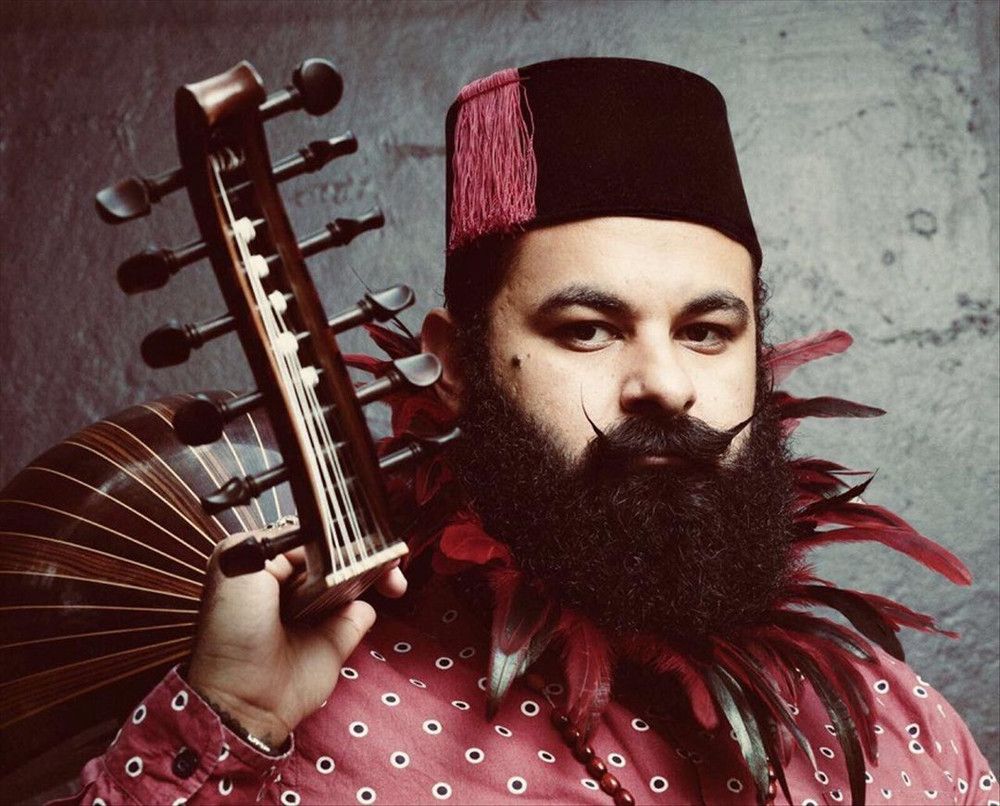
The role of the Arabic, lute-like, stringed instrument, the oud, has been revolutionized through the playing of Anouar Brahem. While used in the past to accompany vocalists, the oud is used by Brahem as an imaginative solo instrument. In 1988, Tunisian newspaper Tunis-Hebdo wrote, "If we had to elect the musician of the '80s, we would have, without the least hesitation, chosen Anouar Brahem." Brahem has composed numerous pieces for such films and musical theater productions such as Sabots en Or, Bezness, Halfaouine, and Les Silences Du Palais. He collaborated with Maurice Bejart on the ballet Thalassa Mare Nostrum, and with Gabriel Yared on the Costa-Gravas film Hanna K. Encouraged by his music-loving father, Brahem began studying the oud, at the age of ten, when he enrolled at the National Conservatory of Music. For nearly a decade, he studied with influential oud player Ali Sitri. By the age of 15, he was playing well enough to perform regularly with local orchestras. Although he initially focused on Arabic music, Brahem increasingly incorporated elements of jazz. This was enhanced during the six years that he spent in Paris (1981-1987), performing at festivals and collaborating with choreographer Maurice Bejart on a production of A Return to Carthage that received the prestigious National Award of Excellence In Music. Returning to Tunis in 1987, Brahem performed at the Carthage Festival in the multi-artist production Ligua 85. Shortly afterwards, he agreed to become director of the Ensemble Musical de la Villa de Tunis. During the two years that he oversaw the ensemble, Brahem divided the group into smaller sets of various sizes. Among the productions that he directed were Leilatou Tayu and El Hizam El Dhahbi. In 1990, Brahem resigned to focus on his own career. After touring in the United States and Canada, he met and was signed by Manfred Eicher, producer and founder of German record label ECM. His debut album, Barzakh, released in 1991, was recorded with Turkish musicians Bechir Selmi and Lassad Hosni. In a review of the album, German music magazine Stereo wrote, "(Brahem) is an exceptional musician and improviser." Brahem's second album, Conte de L'incroyable Amour, released in 1992, was recorded with clarinet player Barbaros Erköse. In 1994, Brahem recorded Madar with Norwegian saxophonist Jan Garbarek and Pakistani tabla player Shaukat Hussain. His fourth album, Khomsa, released in 1995, featured improvised interpretations of his compositions for Tunisian film and theater productions, and was recorded with accordion player Richard Galliano and violinist Bechir Selmi. With his fifth effort, Thimar, released in 1998, Brahem collaborated with soprano saxophone and bass clarinet player John Surman and double bass player Dave Holland. Astrakan Cafe was issued three years later, and followed in 2003 by Les Pas Du Chat Noir. That same year, his 2001 collaboration with Ochestre National de Jazz was released as Charmediterranéen. Brahem took time off to tour and to write. His next offering, 2007's Le Voyage de Sahar, was a trio date with pianist François Couturier and accordionist Jean-Louis Matinier. It would be three years before he released The Astounding Eyes of Rita played in a quartet setting with bass clarinetist Klaus Gesing, double bassist Björn Meyer, and Khaled Yassine on darbouka and bendir. The composer and oudist toured several festivals and select European cities with October of 2017.assorted groups before taking an extended break. Affected deeply by the continually unfolding events of the 2011 Jasmine Revolution in his native Tunisia and the political tumult that followed, Brahem began composing along thematic lines. When he finally entered a studio in Lugano with Eicher in 2014, he enlisted Gesing, Meyer, and Couturier, as well as the string section from Orchestra della Svizzera Italiana conducted by Pietro Mianiti. Over the course of a month, they recorded enough material for the double album Souvenance, which was issued in the spring of 2015. ECM celebrated Brahem's 60th birthday with the release of the studio album Blue Maqams. Produced by Manfred Eicher and recorded in New York's Avatar Studios, it featured the Tunisian oud master in the company of a jazz trio that included bassist Dave Holland (who first played with Brahem on Thimar two decades earlier), drummer Jack DeJohnette, and pianist Django Bates. The latter word in the title refers to the Arabic modal music system, and is modified by the "kind of blue" treatment the jazzmen brought to the session. The album was issued in October 2017. ~ Craig Harris

Read more

Popular song

Anouar Brahem fans also like

Anouar Brahem's Tour

About Anouar Brahem

The role of the Arabic, lute-like, stringed instrument, the oud, has been revolutionized through the playing of Anouar Brahem. While used in the past to accompany vocalists, the oud is used by Brahem as an imaginative solo instrument. In 1988, Tunisian newspaper Tunis-Hebdo wrote, "If we had to elect the musician of the '80s, we would have, without the least hesitation, chosen Anouar Brahem." Brahem has composed numerous pieces for such films and musical theater productions such as Sabots en Or, Bezness, Halfaouine, and Les Silences Du Palais. He collaborated with Maurice Bejart on the ballet Thalassa Mare Nostrum, and with Gabriel Yared on the Costa-Gravas film Hanna K. Encouraged by his music-loving father, Brahem began studying the oud, at the age of ten, when he enrolled at the National Conservatory of Music. For nearly a decade, he studied with influential oud player Ali Sitri. By the age of 15, he was playing well enough to perform regularly with local orchestras. Although he initially focused on Arabic music, Brahem increasingly incorporated elements of jazz. This was enhanced during the six years that he spent in Paris (1981-1987), performing at festivals and collaborating with choreographer Maurice Bejart on a production of A Return to Carthage that received the prestigious National Award of Excellence In Music. Returning to Tunis in 1987, Brahem performed at the Carthage Festival in the multi-artist production Ligua 85. Shortly afterwards, he agreed to become director of the Ensemble Musical de la Villa de Tunis. During the two years that he oversaw the ensemble, Brahem divided the group into smaller sets of various sizes. Among the productions that he directed were Leilatou Tayu and El Hizam El Dhahbi. In 1990, Brahem resigned to focus on his own career. After touring in the United States and Canada, he met and was signed by Manfred Eicher, producer and founder of German record label ECM. His debut album, Barzakh, released in 1991, was recorded with Turkish musicians Bechir Selmi and Lassad Hosni. In a review of the album, German music magazine Stereo wrote, "(Brahem) is an exceptional musician and improviser." Brahem's second album, Conte de L'incroyable Amour, released in 1992, was recorded with clarinet player Barbaros Erköse. In 1994, Brahem recorded Madar with Norwegian saxophonist Jan Garbarek and Pakistani tabla player Shaukat Hussain. His fourth album, Khomsa, released in 1995, featured improvised interpretations of his compositions for Tunisian film and theater productions, and was recorded with accordion player Richard Galliano and violinist Bechir Selmi. With his fifth effort, Thimar, released in 1998, Brahem collaborated with soprano saxophone and bass clarinet player John Surman and double bass player Dave Holland. Astrakan Cafe was issued three years later, and followed in 2003 by Les Pas Du Chat Noir. That same year, his 2001 collaboration with Ochestre National de Jazz was released as Charmediterranéen. Brahem took time off to tour and to write. His next offering, 2007's Le Voyage de Sahar, was a trio date with pianist François Couturier and accordionist Jean-Louis Matinier. It would be three years before he released The Astounding Eyes of Rita played in a quartet setting with bass clarinetist Klaus Gesing, double bassist Björn Meyer, and Khaled Yassine on darbouka and bendir. The composer and oudist toured several festivals and select European cities with October of 2017.assorted groups before taking an extended break. Affected deeply by the continually unfolding events of the 2011 Jasmine Revolution in his native Tunisia and the political tumult that followed, Brahem began composing along thematic lines. When he finally entered a studio in Lugano with Eicher in 2014, he enlisted Gesing, Meyer, and Couturier, as well as the string section from Orchestra della Svizzera Italiana conducted by Pietro Mianiti. Over the course of a month, they recorded enough material for the double album Souvenance, which was issued in the spring of 2015. ECM celebrated Brahem's 60th birthday with the release of the studio album Blue Maqams. Produced by Manfred Eicher and recorded in New York's Avatar Studios, it featured the Tunisian oud master in the company of a jazz trio that included bassist Dave Holland (who first played with Brahem on Thimar two decades earlier), drummer Jack DeJohnette, and pianist Django Bates. The latter word in the title refers to the Arabic modal music system, and is modified by the "kind of blue" treatment the jazzmen brought to the session. The album was issued in October 2017. ~ Craig Harris

Anouar Brahem's Concerts & Tour Dates

Date Event name Venue
30 Apr 2026 Anouar Brahem in Addis Ababa, AA, Ethiopia
14 May 2026 Anouar Brahem, Jazz Classics in Genève Victoria Hall, Les Geneveys-sur-Coffrane, NE, Switzerland
15 May 2026 Anouar Brahem in Zürich Tonhalle - Grosser Saal, Zürich
02 Jul 2026 Anouar Brahem in Roma Casa del Jazz, Rome, LA, Italy
11 Sep 2026 Anouar Brahem in Montpellier Domaine d'O - Theater and shows, Montpellier, LA, France
07 Oct 2026 Anouar Brahem in Boulogne-Billancourt La Seine Musicale, Boulogne-Billancourt, IL, France
08 Oct 2026 Anouar Brahem in Brussels Flagey, Brussels, BU, Belgium

Anouar Brahem's Popular songs

  • Halfaouine
  • The Astounding Eyes Of Rita
  • Astrakan Cafu00e9 - 1

Frequently Asked Questions

The role of the Arabic, lute-like, stringed instrument, the oud, has been revolutionized through the playing of Anouar Brahem. While used in the past to accompany vocalists, the oud is used by Brahem as an imaginative solo instrument. In 1988, Tunisian newspaper Tunis-Hebdo wrote, "If we had to…
Anouar Brahem's most streamed songs include Halfaouine, The Astounding Eyes Of Rita, Astrakan Cafu00e9 - 1. These tracks have accumulated millions of plays on Spotify and other major streaming platforms, making them essential listens for both new fans and long-time followers.
Anouar Brahem is primarily known for arab folk, frequently fusing it with elements of arabic jazz. This genre-blending approach has earned them a dedicated global fanbase and consistent chart placements on platforms like Beatport and Spotify.
You can stream Anouar Brahem's music on Spotify, Apple Music, YouTube Music, and Amazon Music. Popular tracks like Halfaouine, The Astounding Eyes Of Rita, Astrakan Cafu00e9 - 1 are available on all major platforms. Follow Anouar Brahem on Spotify to stay updated on new releases.
Anouar Brahem has over 197.6K+ monthly listeners on Spotify, reflecting a strong and growing global fanbase.
Anouar Brahem is currently scheduled to perform in 7 cities: Addis Ababa, Les Geneveys-sur-Coffrane, Zürich, Rome, Montpellier, Boulogne-Billancourt, Brussels. Visit AllEvents to find show dates, venues, and ticket details for a city near you.
Anouar Brahem's 2026 tour spans 5 countries: Ethiopia, Switzerland, Italy, France, Belgium. Check AllEvents for the full Anouar Brahem tour schedule, including dates, venues, and tickets in each country.
You can also follow Anouar Brahem on AllEvents to get notified about upcoming concerts and live events near you.
You can find and buy tickets for Anouar Brahem concerts on AllEvents. Browse upcoming shows, compare dates and venues, and secure your spot before they sell out. Anouar Brahem is known for high-energy live performances, so tickets tend to go fast.