

Get a rare glimpse into Mozart’s life and work at his former Vienna residence, where he composed some of his greatest music while navigating family life and public life in 18th-century Vienna.
The entrance is located on Domgasse, a quiet street just steps from St. Stephen’s Cathedral. Show your ticket at the reception desk and you’ll be guided to the start of the exhibition. After a quick mandatory security check, you’ll receive your audio guide and begin exploring at your own pace.
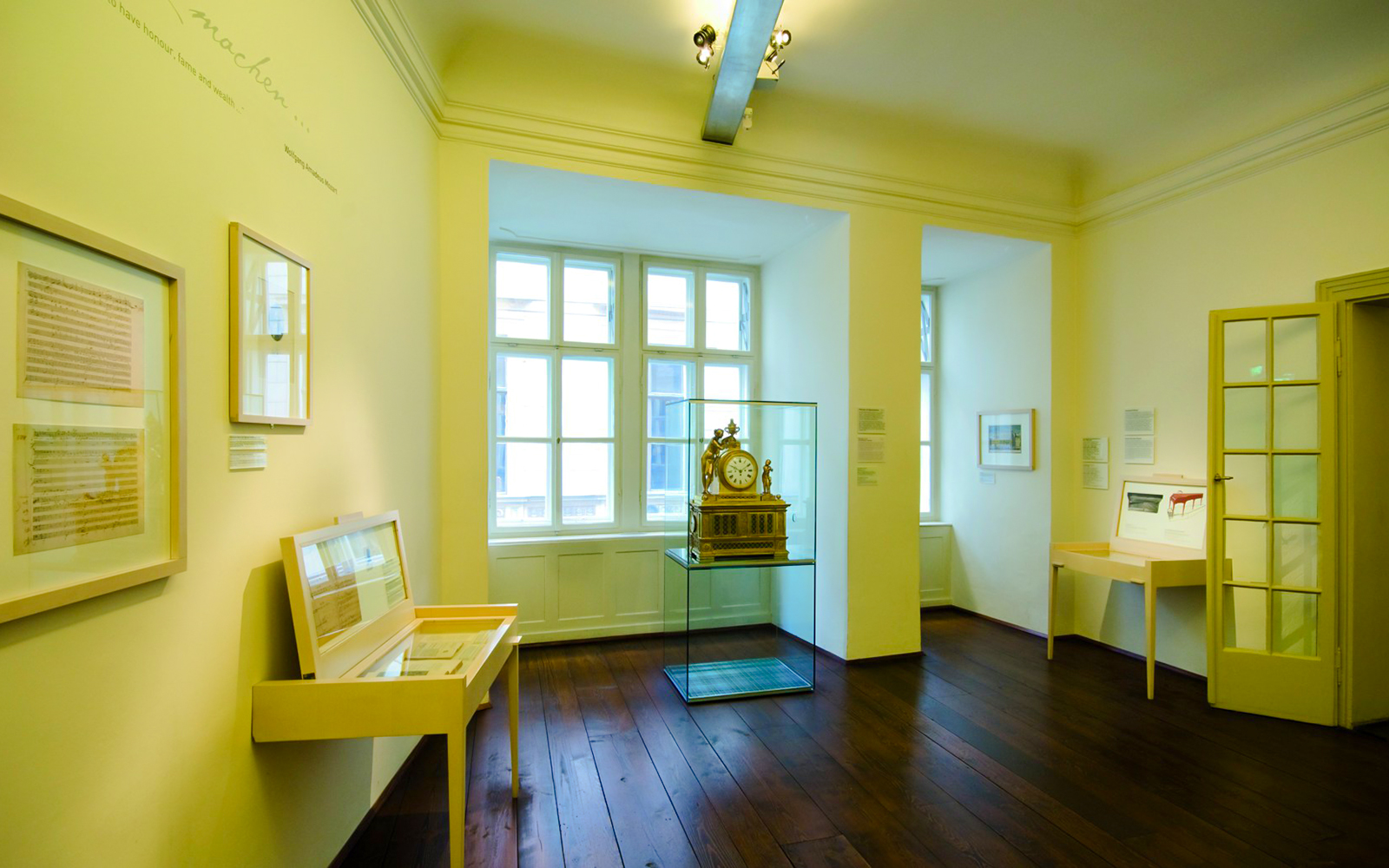
Once inside, you’ll move through beautifully restored rooms where Mozart lived from 1784 to 1787. These spaces feel surprisingly intimate — his apartment was large for its time, and you’ll walk through his parlors, study, and music room, each filled with period furnishings, portraits, and personal items. Original manuscripts and letters line the displays, and the rooms are quiet enough to let you imagine what life must have been like during Mozart’s most productive years.
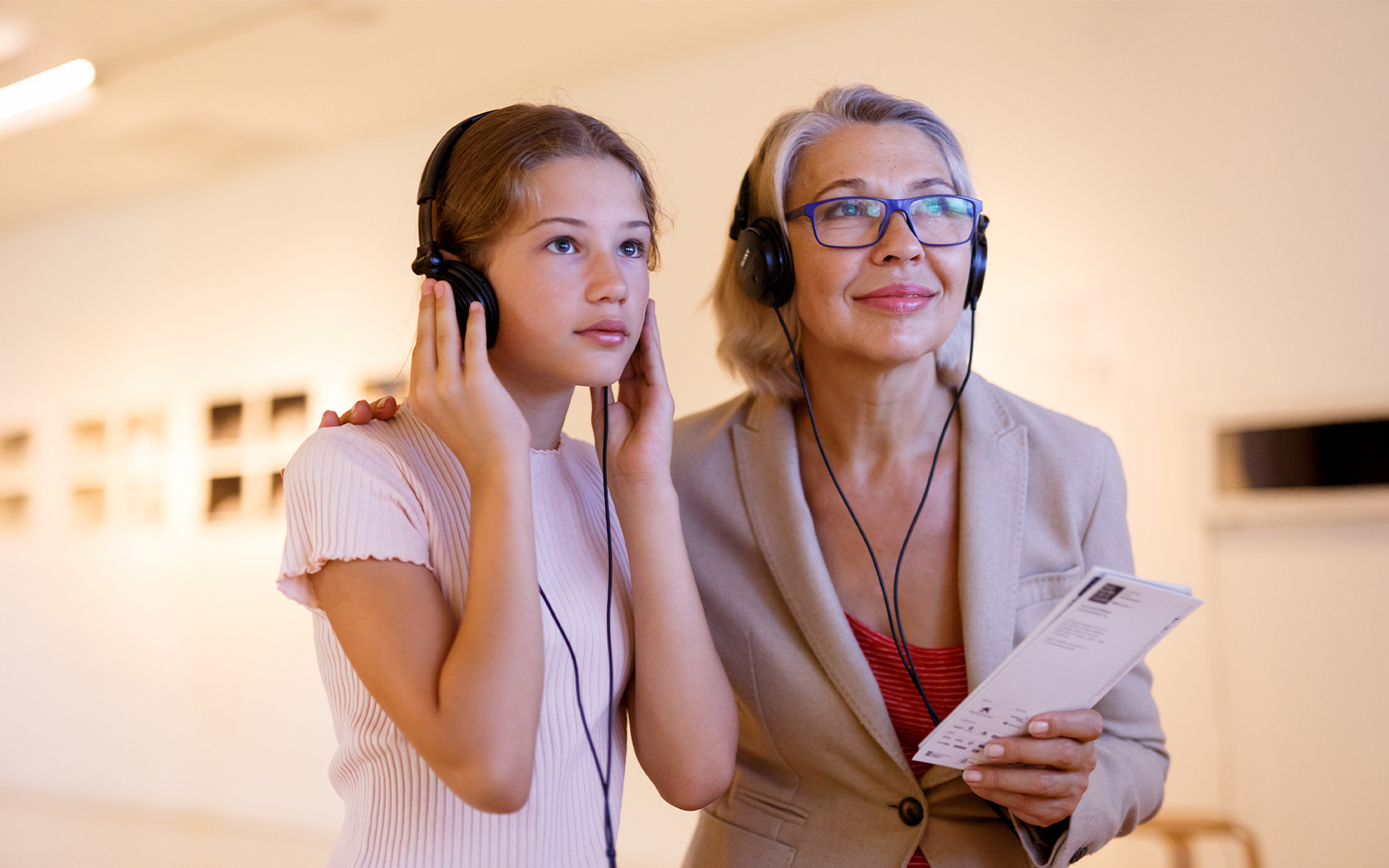
The multilingual audio guide adds depth to the experience for both adults and children. For adults, the audio guide offers a blend of historical context, storytelling, and music that connects you directly to Mozart’s daily life. You’ll hear about his financial ups and downs, his complicated relationship with his father, and his musical innovations, all while standing in the spaces where it happened. The narration includes excerpts from his compositions, letting you hear the very music composed under that same roof.
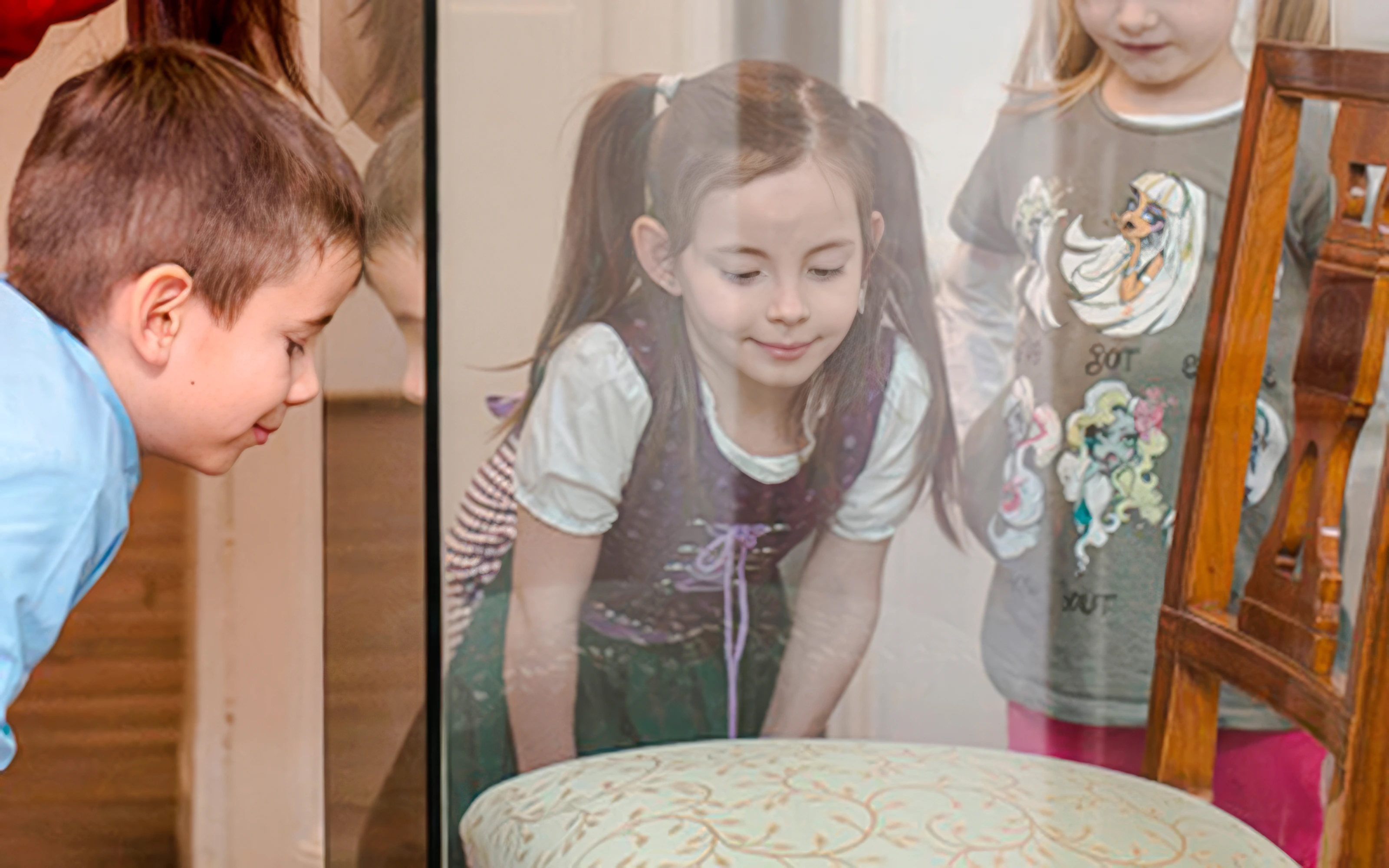
For children, the dedicated audio guide turns the visit into a playful, educational adventure. Through engaging narration and storytelling, young visitors learn about Mozart’s childhood, his love of animals, and even the mischief he got into as a young prodigy. It’s designed to keep them curious and entertained, while introducing real moments from his life.
| Inclusions | Exclusions |
|---|---|
|
|
Bring a pair of headphones if you’d prefer better audio guide quality than the basic museum-supplied set.
Carry a small notebook or digital recorder if you want to jot down insights from the audio guide.
Large backpacks or suitcases must be checked at the cloakroom; only small daypacks are allowed inside.
Flash photography is strictly prohibited—you’ll see signs in every room, especially where original manuscripts are displayed.
Tripods or selfie sticks are not allowed; bring a compact camera or smartphone to capture photos.
Food and drink aren’t permitted inside the exhibition rooms—carry snacks in outer pockets or leave them with reception.
The venue is fully wheelchair accessible, with a ramped entrance, double-swinging doors, and an elevator connecting all public floors.
A wheelchair-accessible restroom is located on the basement level.
Service animals are allowed throughout the museum.
To avoid tour groups and enjoy a quieter experience, aim for Tuesday to Thursday mornings. Mondays and weekends are usually the busiest, and late afternoons attract school groups and bus tours.
Most visitors begin the tour on the first floor, but the actual Mozart apartment is on the second floor. Flip the order: start from the third floor (thematic exhibits) and work your way down to avoid the crowds that cluster around the original rooms.
The copies of Mozart’s handwritten music in the apartment are true-to-life reproductions; look closely for his edits, coffee stains, and scribbled notes in the margins.
The audio guide is available in English, Spanish, Slovak, Hungarian, Czech, French, Italian, German, Chinese, Japanese, Korean, Polish, and Russian.
Cancellation is allowed up to 24 hours before the scheduled start time. Variant-specific cancellation policies may apply.


