Timbalada

Axe

Timbalada


Timbalada Tour & Ticket Details

  • Upcoming shows
  • Past shows

About Timbalada

Formed by Carlinhos Brown in the Candeal borough of Salvador (Bahia), Timbalada represented his desire of using the timbau (a kind of drum indigenous of candomblé religions) in an Afro-pop-oriented way, melting rhythms of Bahia with those of Afro-American and Afro-Caribbean origin. Also employing vocalists, the peculiar aesthetics of the group include body painting and a multitude of pop signs that play with the contrast between tribal and industrial. The Timbalada is both a band and a Carnaval bloco (group of merrymakers). Attracting more and more people to the Candeal borough (a very poor one) every Sunday afternoon for their rehearsals, the Timbalada put it on Salvador's musical map. After the band's success, the timbau was absorbed into every samba-reggae bateria (drum section). The group's formation demonstrated the intention of dissociating themselves from the traditional percussive blocos, aiming at a hybrid, pop outline, with three singers, sax, trumpet, trombone, keyboards, bass, guitar, drums, ten timbaus, five "marcações," one "repique," two timbales, and a kind of Afro drumset, the "percuteria." Formed in 1992, Timbalada performed during the Carnaval in Salvador with 200 timbaus and other instruments. Their first album, released in 1993, had the hits "Beija-flor" and "Canto pro Mar." That year, they performed in Aracaju (Sergipe) and São Paulo and were frequently invited to major TV shows that reinforced the band's popularity. They followed performances at the Montreux Jazz Festival with the Holland Festival and tours through Europe. In 1996, the Timbalada won the Prêmio Sharp award with the album Mineral and departed for performances in Japan. In July 2000, the Timbalada performed for 200,000 people at the Montreal International Jazz Festival in Canada. ~ Alvaro Neder, Rovi

Read more

Popular song

Timbalada fans also like

Timbalada's Tour

About Timbalada

Formed by Carlinhos Brown in the Candeal borough of Salvador (Bahia), Timbalada represented his desire of using the timbau (a kind of drum indigenous of candomblé religions) in an Afro-pop-oriented way, melting rhythms of Bahia with those of Afro-American and Afro-Caribbean origin. Also employing vocalists, the peculiar aesthetics of the group include body painting and a multitude of pop signs that play with the contrast between tribal and industrial. The Timbalada is both a band and a Carnaval bloco (group of merrymakers). Attracting more and more people to the Candeal borough (a very poor one) every Sunday afternoon for their rehearsals, the Timbalada put it on Salvador's musical map. After the band's success, the timbau was absorbed into every samba-reggae bateria (drum section). The group's formation demonstrated the intention of dissociating themselves from the traditional percussive blocos, aiming at a hybrid, pop outline, with three singers, sax, trumpet, trombone, keyboards, bass, guitar, drums, ten timbaus, five "marcações," one "repique," two timbales, and a kind of Afro drumset, the "percuteria." Formed in 1992, Timbalada performed during the Carnaval in Salvador with 200 timbaus and other instruments. Their first album, released in 1993, had the hits "Beija-flor" and "Canto pro Mar." That year, they performed in Aracaju (Sergipe) and São Paulo and were frequently invited to major TV shows that reinforced the band's popularity. They followed performances at the Montreux Jazz Festival with the Holland Festival and tours through Europe. In 1996, the Timbalada won the Prêmio Sharp award with the album Mineral and departed for performances in Japan. In July 2000, the Timbalada performed for 200,000 people at the Montreal International Jazz Festival in Canada. ~ Alvaro Neder, Rovi
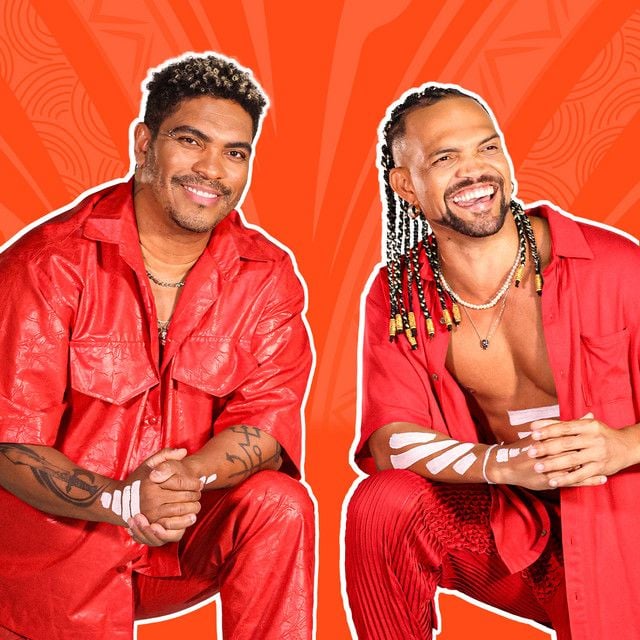
Timbalada's Concerts & Tour Dates

Date Event name Venue
16 May 2026 Timbalada in Sao Paulo Varanda Estaiada, São Paulo, SP, Brazil

Timbalada's Popular songs

  • Beija-Flor
  • Mimar Você
  • Água Mineral

Frequently Asked Questions

Formed by Carlinhos Brown in the Candeal borough of Salvador (Bahia), Timbalada represented his desire of using the timbau (a kind of drum indigenous of candomblé religions) in an Afro-pop-oriented way, melting rhythms of Bahia with those of Afro-American and Afro-Caribbean origin. Also employing …
Timbalada's most streamed songs include Beija-Flor, Mimar Você, Água Mineral. These tracks have accumulated millions of plays on Spotify and other major streaming platforms, making them essential listens for both new fans and long-time followers.
Timbalada is primarily known for axe, frequently fusing it with elements of samba reggae. This genre-blending approach has earned them a dedicated global fanbase and consistent chart placements on platforms like Beatport and Spotify.
You can stream Timbalada's music on Spotify, Apple Music, YouTube Music, and Amazon Music. Popular tracks like Beija-Flor, Mimar Você, Água Mineral are available on all major platforms. Follow Timbalada on Spotify to stay updated on new releases.
Timbalada has over 739.9K+ monthly listeners on Spotify, reflecting a strong and growing global fanbase.
Timbalada has an upcoming show in São Paulo. Visit AllEvents to find the date, venue, and ticket details.
Timbalada is currently touring in Brazil in 2026. Check AllEvents for the full Timbalada 2026 tour schedule, including dates, venues, and tickets.
Stay updated with Timbalada on Instagram, Facebook. You can also follow Timbalada on AllEvents to get notified about upcoming concerts and live events near you.
You can find and buy tickets for Timbalada concerts on AllEvents. Browse upcoming shows, compare dates and venues, and secure your spot before they sell out. Timbalada is known for high-energy live performances, so tickets tend to go fast.