Modest Mussorgsky

Classical

Modest Mussorgsky

Upcoming Modest Mussorgsky Tour

No Events
Artist isn’t on tour right now. Be the first to know when shows come up


About Modest Mussorgsky

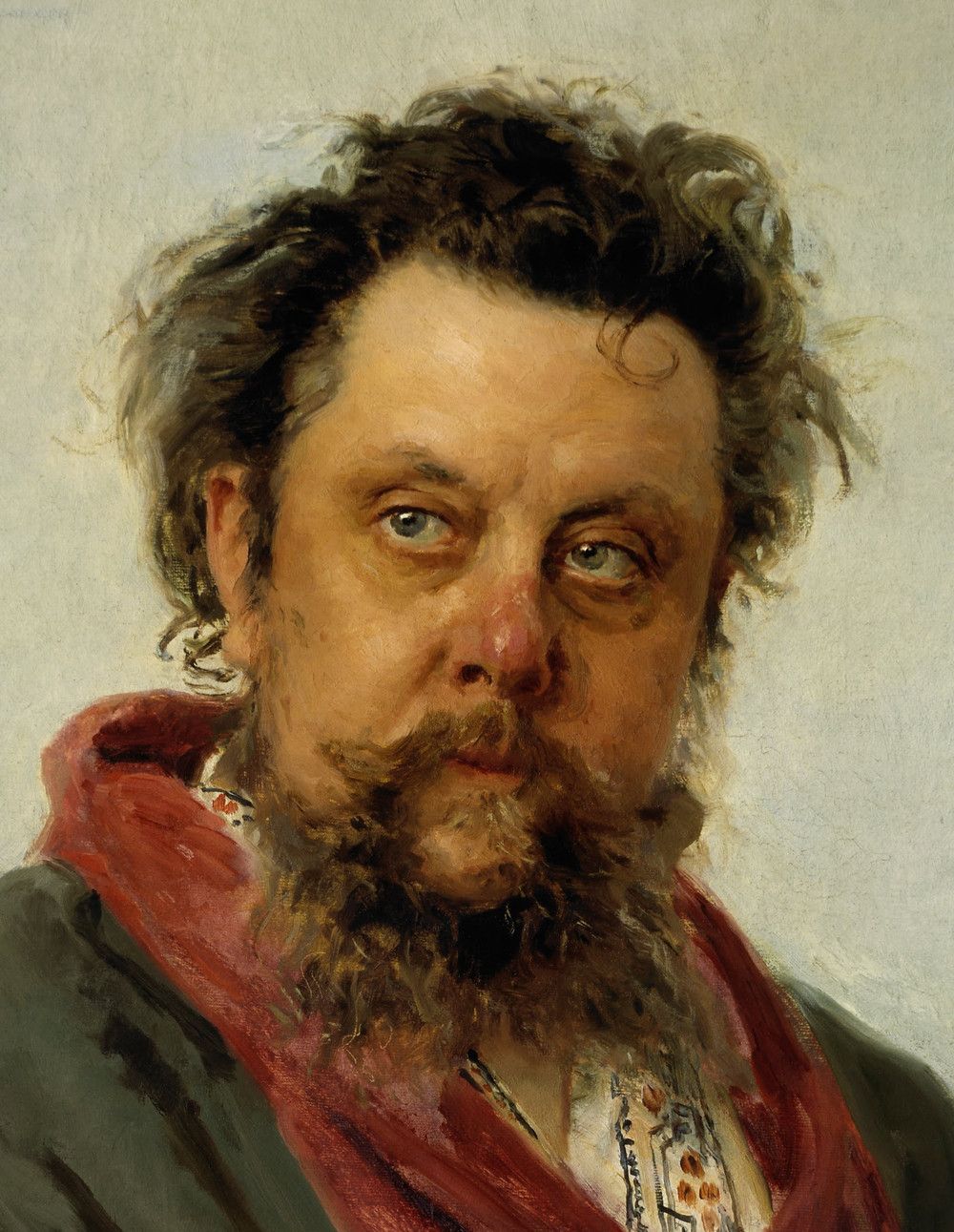
His musical education was erratic, he toiled as a civil servant and wrote music only part-time, influenced few if any of his contemporaries, died early from alcoholism, and left a small body of work. Yet Modest Mussorgsky was a towering figure in nineteenth century Russian music. His works exhibit a daring, raw individuality, a unique sound that well-meaning associates tried to conventionalize and smooth over. He is best known for Night on Bald Mountain (bowdlerized by Rimsky-Korsakov), Pictures at an Exhibition (a difficult piano suite orchestrated by Ravel), and the dark, declamatory opera Boris Godunov (polished by Rimsky-Korsakov) -- bastardized works all, yet each one full of arresting harmonies, disturbing colors, and grim celebrations of Russian nationalism. Mussorgsky died in poverty, but he was born to a wealthy landowning family. Under his mother's tutelage, he developed a facility at the piano, but entered a cadet school in preparation for a military career. He joined a choir and discovered Russian church music, which would profoundly influence his later work. Upon graduation in 1856, Mussorgsky entered the Russian Imperial Guard. That year he started to socialize with the composers Dargomizhsky and Cui, and through them Balakirev, with whom he began composition lessons. During this period he wrote small piano pieces and songs, and after an emotional crisis in 1858 resigned his commission with the intention of composing full-time. He began to go his own way as a composer in 1861, but was preoccupied helping to manage his family's estate. The decline in his family's fortunes led him to accept low-level civil service positions. He joined a commune with other intellectuals and became a proponent of musical Realism, applying the style to his songs. He had difficulty finishing works in larger formats, but his music circulated widely enough that by the late 1860s he was cast with Balakirev, Cui, Rimsky-Korsakov, and Borodin as part of Russia's "Mighty Handful." Mussorgsky toiled many years at his masterpiece, Boris Godunov, which reflected in music the inflections of Russian speech and met with great success in 1874. That year he also produced his innovative piano suite Pictures at an Exhibition. Yet his heavy drinking led to his dismissal from government service in 1880. Friends offered some financial help and Mussorgsky occasionally accompanied singers at the piano, but his finances and mental state quickly deteriorated. He died in 1881, leaving it to posterity to sort through and complete his unfinished works of unruly genius.

Read more

Popular song

Modest Mussorgsky fans also like

About Modest Mussorgsky

His musical education was erratic, he toiled as a civil servant and wrote music only part-time, influenced few if any of his contemporaries, died early from alcoholism, and left a small body of work. Yet Modest Mussorgsky was a towering figure in nineteenth century Russian music. His works exhibit a daring, raw individuality, a unique sound that well-meaning associates tried to conventionalize and smooth over. He is best known for Night on Bald Mountain (bowdlerized by Rimsky-Korsakov), Pictures at an Exhibition (a difficult piano suite orchestrated by Ravel), and the dark, declamatory opera Boris Godunov (polished by Rimsky-Korsakov) -- bastardized works all, yet each one full of arresting harmonies, disturbing colors, and grim celebrations of Russian nationalism. Mussorgsky died in poverty, but he was born to a wealthy landowning family. Under his mother's tutelage, he developed a facility at the piano, but entered a cadet school in preparation for a military career. He joined a choir and discovered Russian church music, which would profoundly influence his later work. Upon graduation in 1856, Mussorgsky entered the Russian Imperial Guard. That year he started to socialize with the composers Dargomizhsky and Cui, and through them Balakirev, with whom he began composition lessons. During this period he wrote small piano pieces and songs, and after an emotional crisis in 1858 resigned his commission with the intention of composing full-time. He began to go his own way as a composer in 1861, but was preoccupied helping to manage his family's estate. The decline in his family's fortunes led him to accept low-level civil service positions. He joined a commune with other intellectuals and became a proponent of musical Realism, applying the style to his songs. He had difficulty finishing works in larger formats, but his music circulated widely enough that by the late 1860s he was cast with Balakirev, Cui, Rimsky-Korsakov, and Borodin as part of Russia's "Mighty Handful." Mussorgsky toiled many years at his masterpiece, Boris Godunov, which reflected in music the inflections of Russian speech and met with great success in 1874. That year he also produced his innovative piano suite Pictures at an Exhibition. Yet his heavy drinking led to his dismissal from government service in 1880. Friends offered some financial help and Mussorgsky occasionally accompanied singers at the piano, but his finances and mental state quickly deteriorated. He died in 1881, leaving it to posterity to sort through and complete his unfinished works of unruly genius.
Modest Mussorgsky's Popular songs

  • Memories of a Promenade II
  • Pictures at an Exhibition (Orch. M. Ravel): Promenade II
  • Pictures at an Exhibition: Promenade. Moderato commodo assai e con delicatezza - attacca

Frequently Asked Questions

His musical education was erratic, he toiled as a civil servant and wrote music only part-time, influenced few if any of his contemporaries, died early from alcoholism, and left a small body of work. Yet Modest Mussorgsky was a towering figure in nineteenth century Russian music. His works exhibit…
Modest Mussorgsky's most streamed songs include Memories of a Promenade II, Pictures at an Exhibition (Orch. M. Ravel): Promenade II, Pictures at an Exhibition: Promenade. Moderato commodo assai e con delicatezza - attacca. These tracks have accumulated millions of plays on Spotify and other major streaming platforms, making them essential listens for both new fans and long-time followers.
Modest Mussorgsky is primarily known for classical, frequently fusing it with elements of early modern classical. This genre-blending approach has earned them a dedicated global fanbase and consistent chart placements on platforms like Beatport and Spotify.
You can stream Modest Mussorgsky's music on Spotify, Apple Music, YouTube Music, and Amazon Music. Popular tracks like Memories of a Promenade II, Pictures at an Exhibition (Orch. M. Ravel): Promenade II, Pictures at an Exhibition: Promenade. Moderato commodo assai e con delicatezza - attacca are available on all major platforms. Follow Modest Mussorgsky on Spotify to stay updated on new releases.
Modest Mussorgsky has over 721.8K+ monthly listeners on Spotify, reflecting a strong and growing global fanbase.
You can also follow Modest Mussorgsky on AllEvents to get notified about upcoming concerts and live events near you.
You can find and buy tickets for Modest Mussorgsky concerts on AllEvents. Browse upcoming shows, compare dates and venues, and secure your spot before they sell out. Modest Mussorgsky is known for high-energy live performances, so tickets tend to go fast.