Igor Stravinsky

Classical

Igor Stravinsky

Upcoming Igor Stravinsky Tour

No Events
Artist isn’t on tour right now. Be the first to know when shows come up


About Igor Stravinsky

Igor Stravinsky was one of music's truly epochal innovators; no other composer of the 20th century exerted such a pervasive influence or dominated his art in the way that Stravinsky did during his seven-decade musical career. Aside from purely technical considerations such as rhythm and harmony, the most important hallmark of Stravinsky's style is, indeed, its changing face. Emerging from the spirit of late Russian nationalism and ending his career with a thorny, individual language steeped in 12-tone principles, Stravinsky assumed a number of aesthetic guises throughout the course of his development while always retaining a distinctive, essential identity. Although he was the son of one of the Mariinsky Theater's principal basses and a talented amateur pianist, Stravinsky had no more musical training than that of any other Russian upper-class child. He entered law school but also began private composition and orchestration studies with Nicolai Rimsky-Korsakov. By 1909, the orchestral works Scherzo fantastique and Fireworks had impressed Sergei Diaghilev enough for him to ask Stravinsky to orchestrate -- and subsequently compose -- ballets for his company. Stravinsky's triad of early ballets -- The Firebird (1909-1910), Petrushka (1910-1911), and most importantly, The Rite of Spring (1911-1913) -- did more to establish his reputation than any of his other works; indeed, the riot which followed the premiere of The Rite is one of the most notorious events in music history. Stravinsky and his family spent the war years in Switzerland, returning to France in 1920. His jazz-inflected essays of the 1910s and 1920s -- notably, Ragtime (1918) and The Soldier's Tale (1918) -- gave way to one of the composer's most influential aesthetic turns. The neo-Classical tautness of works as diverse as the ballet Pulcinella (1919-1920), the Symphony of Psalms (1930), and, decades later, the opera The Rake's Progress (1948-1951) made a widespread impact and had a special influence upon the fledgling school of American composers that looked to Stravinsky as its primary model. He had begun touring as a conductor and pianist, generally performing his own works. In the 1930s, he toured the Americas and wrote several pieces fulfilling American commissions, including the Concerto in E flat, "Dumbarton Oaks." After the deaths of his daughter, his wife, and his mother within a period of less than a year, Stravinsky emigrated to America, settling in California with his second wife in 1940. His works between 1940 and 1950 show a mixture of styles but still seem centered on Russian or French traditions. Stravinsky's cultural perspective changed after Robert Craft became his musical assistant, handling rehearsals for Stravinsky, traveling with him, and later, co-authoring his memoirs. Craft is credited with helping Stravinsky accept 12-tone composition as one of the tools of his trade. Characteristically, though, he made novel use of such principles in his own music, producing works in a highly original vein: Movements (1958-1959) for piano and orchestra, Variations: Aldous Huxley in Memoriam (1963), and the Requiem Canticles (1965-1966) are among the most striking. Craft prepared the musicians for the exemplary series of Columbia Records LPs Stravinsky conducted through the stereo era, covering virtually all his significant works. Despite declining health in his last years, Stravinsky continued to compose until just before his death in April 1971. ~ TiVo Staff, Rovi

Read more

Popular song

Igor Stravinsky fans also like

About Igor Stravinsky

Igor Stravinsky was one of music's truly epochal innovators; no other composer of the 20th century exerted such a pervasive influence or dominated his art in the way that Stravinsky did during his seven-decade musical career. Aside from purely technical considerations such as rhythm and harmony, the most important hallmark of Stravinsky's style is, indeed, its changing face. Emerging from the spirit of late Russian nationalism and ending his career with a thorny, individual language steeped in 12-tone principles, Stravinsky assumed a number of aesthetic guises throughout the course of his development while always retaining a distinctive, essential identity. Although he was the son of one of the Mariinsky Theater's principal basses and a talented amateur pianist, Stravinsky had no more musical training than that of any other Russian upper-class child. He entered law school but also began private composition and orchestration studies with Nicolai Rimsky-Korsakov. By 1909, the orchestral works Scherzo fantastique and Fireworks had impressed Sergei Diaghilev enough for him to ask Stravinsky to orchestrate -- and subsequently compose -- ballets for his company. Stravinsky's triad of early ballets -- The Firebird (1909-1910), Petrushka (1910-1911), and most importantly, The Rite of Spring (1911-1913) -- did more to establish his reputation than any of his other works; indeed, the riot which followed the premiere of The Rite is one of the most notorious events in music history. Stravinsky and his family spent the war years in Switzerland, returning to France in 1920. His jazz-inflected essays of the 1910s and 1920s -- notably, Ragtime (1918) and The Soldier's Tale (1918) -- gave way to one of the composer's most influential aesthetic turns. The neo-Classical tautness of works as diverse as the ballet Pulcinella (1919-1920), the Symphony of Psalms (1930), and, decades later, the opera The Rake's Progress (1948-1951) made a widespread impact and had a special influence upon the fledgling school of American composers that looked to Stravinsky as its primary model. He had begun touring as a conductor and pianist, generally performing his own works. In the 1930s, he toured the Americas and wrote several pieces fulfilling American commissions, including the Concerto in E flat, "Dumbarton Oaks." After the deaths of his daughter, his wife, and his mother within a period of less than a year, Stravinsky emigrated to America, settling in California with his second wife in 1940. His works between 1940 and 1950 show a mixture of styles but still seem centered on Russian or French traditions. Stravinsky's cultural perspective changed after Robert Craft became his musical assistant, handling rehearsals for Stravinsky, traveling with him, and later, co-authoring his memoirs. Craft is credited with helping Stravinsky accept 12-tone composition as one of the tools of his trade. Characteristically, though, he made novel use of such principles in his own music, producing works in a highly original vein: Movements (1958-1959) for piano and orchestra, Variations: Aldous Huxley in Memoriam (1963), and the Requiem Canticles (1965-1966) are among the most striking. Craft prepared the musicians for the exemplary series of Columbia Records LPs Stravinsky conducted through the stereo era, covering virtually all his significant works. Despite declining health in his last years, Stravinsky continued to compose until just before his death in April 1971. ~ TiVo Staff, Rovi
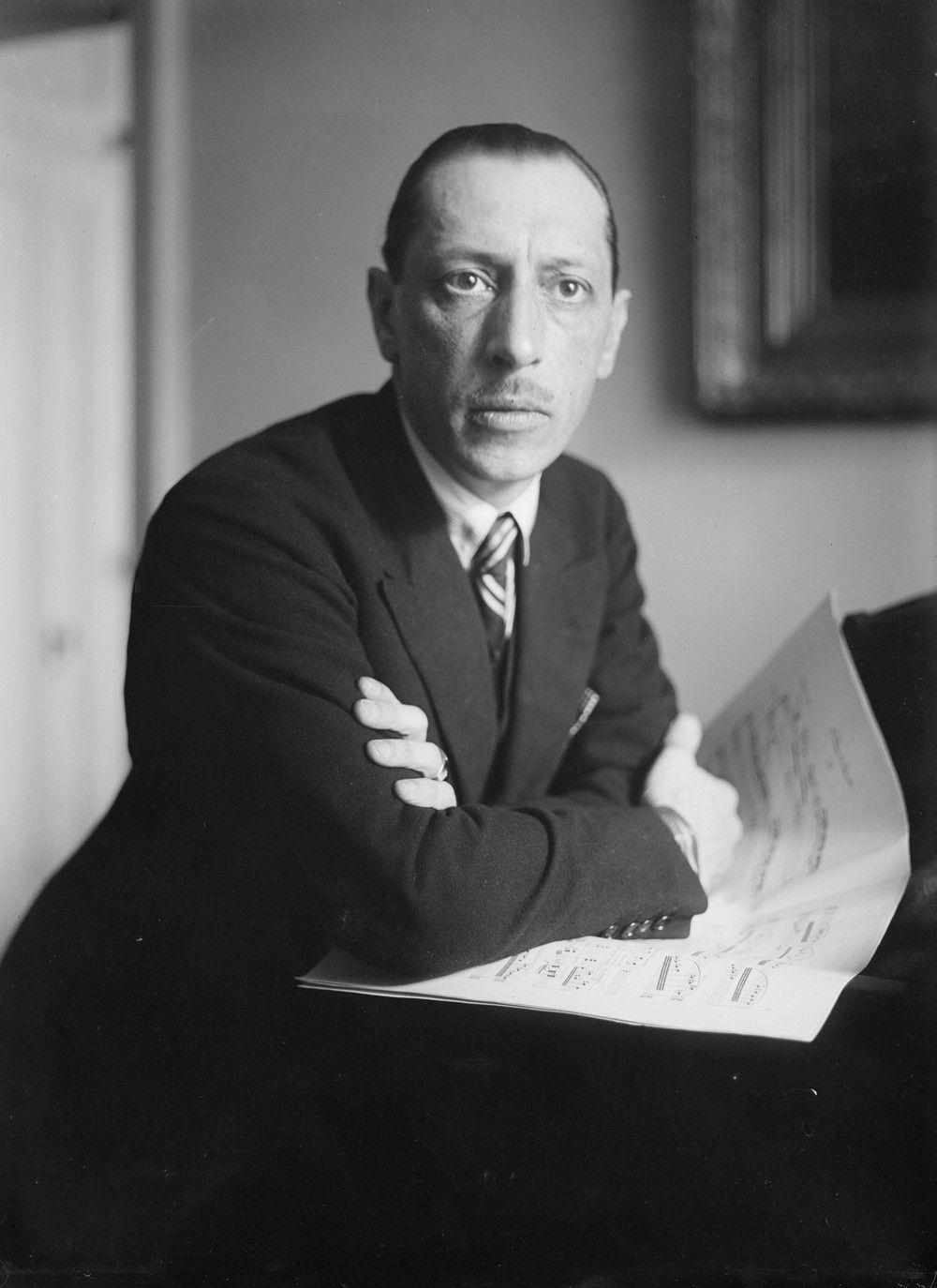
Igor Stravinsky's Popular songs

  • The Rite of Spring: Part One: Adoration of the Earth: Introduction
  • The Firebird (L'oiseau De Feu) - Suite (1919): Finale
  • L'Oiseau de feu (1911 Version): X. Khorovod (Ronde) des princesses

Frequently Asked Questions

Igor Stravinsky was one of music's truly epochal innovators; no other composer of the 20th century exerted such a pervasive influence or dominated his art in the way that Stravinsky did during his seven-decade musical career. Aside from purely technical considerations such as rhythm and harmony,…
Igor Stravinsky's most streamed songs include The Rite of Spring: Part One: Adoration of the Earth: Introduction, The Firebird (L'oiseau De Feu) - Suite (1919): Finale, L'Oiseau de feu (1911 Version): X. Khorovod (Ronde) des princesses. These tracks have accumulated millions of plays on Spotify and other major streaming platforms, making them essential listens for both new fans and long-time followers.
Igor Stravinsky is primarily known for classical, frequently fusing it with elements of early modern classical. This genre-blending approach has earned them a dedicated global fanbase and consistent chart placements on platforms like Beatport and Spotify.
You can stream Igor Stravinsky's music on Spotify, Apple Music, YouTube Music, and Amazon Music. Popular tracks like The Rite of Spring: Part One: Adoration of the Earth: Introduction, The Firebird (L'oiseau De Feu) - Suite (1919): Finale, L'Oiseau de feu (1911 Version): X. Khorovod (Ronde) des princesses are available on all major platforms. Follow Igor Stravinsky on Spotify to stay updated on new releases.
Igor Stravinsky has over 437.1K+ monthly listeners on Spotify, reflecting a strong and growing global fanbase.
You can also follow Igor Stravinsky on AllEvents to get notified about upcoming concerts and live events near you.
You can find and buy tickets for Igor Stravinsky concerts on AllEvents. Browse upcoming shows, compare dates and venues, and secure your spot before they sell out. Igor Stravinsky is known for high-energy live performances, so tickets tend to go fast.