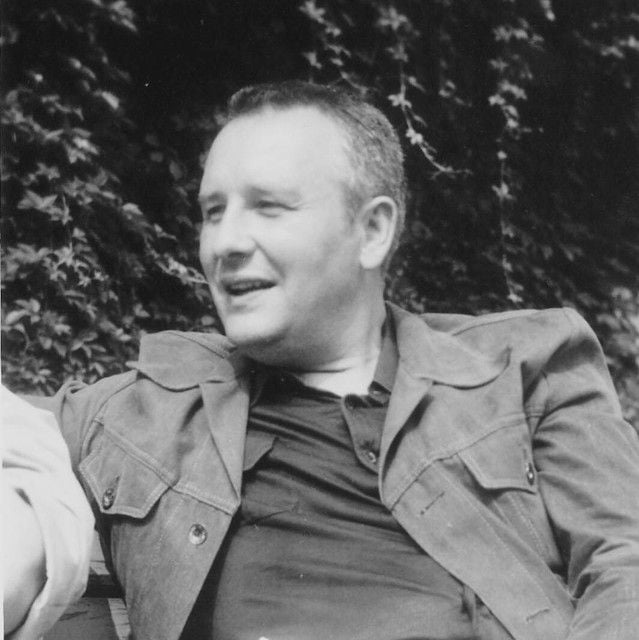
György Ligeti

Avant-garde

György Ligeti

Upcoming György Ligeti Tour

No Events
Artist isn’t on tour right now. Be the first to know when shows come up


About György Ligeti

György Ligeti was one of the most important avant-garde composers in the latter half of the twentieth century. He stood with Boulez, Berio, Stockhausen, and Cage as one of the most innovative and influential among progressive figures of his time. His early works show the influence of Bartók and Kodály, and like them, he studied folk music and made transcriptions from folk material. In Apparitions (1958-1959) and Atmosphères (1961), he developed a style forged from chromatic cluster chords that are devoid of conventional melody, pitch and rhythm, but instead grow into timbres and textures that yield new sonic possibilities. The composer referred to this method as "micropolyphony." In Aventures (1962), Ligeti devised a vocal technique in which the singers are required to make a full range of vocalizations, cries and nonsense noises to fashion a kind of imaginary, non-specific drama, but with rather specifically expressed emotions. Ligeti was almost alone among progressive composers from the latter twentieth century who have written popular and widely performed music. Ligeti was born on May 28, 1923, in the Transylvanian town of Dicsöszentmárton, Romania and grew up in Kolozsvar, Klausenburg. At the age of 14, he began taking piano lessons and soon wrote his first composition, a waltz. Because he was a Jew living under the Nazi-puppet regime in Hungary, Ligeti was forbidden university study and thus enrolled in the Kolozsvar Conservatory in 1941, and began studies with Ferenc Farkas, a Respighi pupil. Later, in Budapest, he also studied with pianist-composer Pál Kadosa. In January 1944, Ligeti was arrested and sent to a labor camp where he remained imprisoned until 1945. Other family members were sent to Auschwitz, where only his mother survived. Ligeti graduated from the Budapest Academy of Music in 1949 and began an extended period of study of folk music. In the years of 1950-1956, he served as a professor at the Budapest Academy. His music was largely unadventurous during this period, owing to restrictions by the Hungarian Communist regime. Ligeti and his wife fled their homeland during the Revolution in 1956, settling in Vienna. Ligeti began studying and composing at the Cologne-based Electronic Music Studio from 1957 to 1959, producing the influential Artikulation (1958), one of his first electronic works. Other important progressive works followed, such as the orchestral composition, Apparitions (1958-1959) and Atmosphères (1961). In 1959, Ligeti began serving as visiting professor at the Academy of Music in Stockholm and also started teaching courses at Darmstadt. His choral work Requiem (1963-1965) was another success, as were Ramifications (1968-1969), for string orchestra or 12 solo strings, and Clocks and Clouds (1972-1973). In 1972, Ligeti became Composer in Residence at Stanford University and the following year took on a professorship at the Hamburg Academy of Music. Ligeti composed his opera Le Grand Macabre in the period 1975-1977, but revised it in the 1990s, with the final version completed in 1997. It has become one of his most popular large works. In 1982, the composer's mother died. That same year saw a return of Ligeti's health after a period of five years' sickness. In the 1980s the composer forswore further composition in the realm of electronic music. Ligeti retired from his post as professor of composition at the Hamburg Music Academy in 1989. In the 1990s, he spent much time on the aforementioned second version of Le Grand Macabre. Ligeti received his share of awards and prizes, including the 1986 Grawemeyer Prize and the 1996 Music Prize of the International Music Council.

Read more

György Ligeti fans also like

About György Ligeti

György Ligeti was one of the most important avant-garde composers in the latter half of the twentieth century. He stood with Boulez, Berio, Stockhausen, and Cage as one of the most innovative and influential among progressive figures of his time. His early works show the influence of Bartók and Kodály, and like them, he studied folk music and made transcriptions from folk material. In Apparitions (1958-1959) and Atmosphères (1961), he developed a style forged from chromatic cluster chords that are devoid of conventional melody, pitch and rhythm, but instead grow into timbres and textures that yield new sonic possibilities. The composer referred to this method as "micropolyphony." In Aventures (1962), Ligeti devised a vocal technique in which the singers are required to make a full range of vocalizations, cries and nonsense noises to fashion a kind of imaginary, non-specific drama, but with rather specifically expressed emotions. Ligeti was almost alone among progressive composers from the latter twentieth century who have written popular and widely performed music. Ligeti was born on May 28, 1923, in the Transylvanian town of Dicsöszentmárton, Romania and grew up in Kolozsvar, Klausenburg. At the age of 14, he began taking piano lessons and soon wrote his first composition, a waltz. Because he was a Jew living under the Nazi-puppet regime in Hungary, Ligeti was forbidden university study and thus enrolled in the Kolozsvar Conservatory in 1941, and began studies with Ferenc Farkas, a Respighi pupil. Later, in Budapest, he also studied with pianist-composer Pál Kadosa. In January 1944, Ligeti was arrested and sent to a labor camp where he remained imprisoned until 1945. Other family members were sent to Auschwitz, where only his mother survived. Ligeti graduated from the Budapest Academy of Music in 1949 and began an extended period of study of folk music. In the years of 1950-1956, he served as a professor at the Budapest Academy. His music was largely unadventurous during this period, owing to restrictions by the Hungarian Communist regime. Ligeti and his wife fled their homeland during the Revolution in 1956, settling in Vienna. Ligeti began studying and composing at the Cologne-based Electronic Music Studio from 1957 to 1959, producing the influential Artikulation (1958), one of his first electronic works. Other important progressive works followed, such as the orchestral composition, Apparitions (1958-1959) and Atmosphères (1961). In 1959, Ligeti began serving as visiting professor at the Academy of Music in Stockholm and also started teaching courses at Darmstadt. His choral work Requiem (1963-1965) was another success, as were Ramifications (1968-1969), for string orchestra or 12 solo strings, and Clocks and Clouds (1972-1973). In 1972, Ligeti became Composer in Residence at Stanford University and the following year took on a professorship at the Hamburg Academy of Music. Ligeti composed his opera Le Grand Macabre in the period 1975-1977, but revised it in the 1990s, with the final version completed in 1997. It has become one of his most popular large works. In 1982, the composer's mother died. That same year saw a return of Ligeti's health after a period of five years' sickness. In the 1980s the composer forswore further composition in the realm of electronic music. Ligeti retired from his post as professor of composition at the Hamburg Music Academy in 1989. In the 1990s, he spent much time on the aforementioned second version of Le Grand Macabre. Ligeti received his share of awards and prizes, including the 1986 Grawemeyer Prize and the 1996 Music Prize of the International Music Council.

György Ligeti's Popular songs

  • Ligeti: Requiem: II. Kyrie. Molto espressivo
  • Sonatina for Piano 4 Hands: II. Andante
  • Musica ricercata No. 7 in B-Flat Major

Frequently Asked Questions

György Ligeti was one of the most important avant-garde composers in the latter half of the twentieth century. He stood with Boulez, Berio, Stockhausen, and Cage as one of the most innovative and influential among progressive figures of his time. His early works show the influence of Bartók and K…
György Ligeti's most streamed songs include Ligeti: Requiem: II. Kyrie. Molto espressivo, Sonatina for Piano 4 Hands: II. Andante, Musica ricercata No. 7 in B-Flat Major. These tracks have accumulated millions of plays on Spotify and other major streaming platforms, making them essential listens for both new fans and long-time followers.
György Ligeti is primarily known for avant-garde, frequently fusing it with elements of classical. This genre-blending approach has earned them a dedicated global fanbase and consistent chart placements on platforms like Beatport and Spotify.
You can stream György Ligeti's music on Spotify, Apple Music, YouTube Music, and Amazon Music. Popular tracks like Ligeti: Requiem: II. Kyrie. Molto espressivo, Sonatina for Piano 4 Hands: II. Andante, Musica ricercata No. 7 in B-Flat Major are available on all major platforms. Follow György Ligeti on Spotify to stay updated on new releases.
You can also follow György Ligeti on AllEvents to get notified about upcoming concerts and live events near you.
You can find and buy tickets for György Ligeti concerts on AllEvents. Browse upcoming shows, compare dates and venues, and secure your spot before they sell out. György Ligeti is known for high-energy live performances, so tickets tend to go fast.