George Gershwin

American Modern Classical

George Gershwin

Upcoming George Gershwin Tour

No Events
Artist isn’t on tour right now. Be the first to know when shows come up


About George Gershwin

The great musical border crosser of the 20th century, George Gershwin excelled in the fields of concert music and popular song alike. The son of Jewish immigrants from Russia, he was born Jacob Gershvin in Brooklyn on September 26, 1898. His father ran a great variety of small businesses, and George, in the words of The New Grove Dictionary of Music, "excelled at street sports." He also studied the piano and was introduced to the European classics by his teacher Charles Hambitzer. Gershwin immersed himself in popular music after dropping out of school in 1914 and getting a job as a salesman for the music publisher Remick. He was influenced by ragtime and stride piano music, and as a songwriter enjoyed his first hit in 1920 with "Swanee," recorded by the leading vocalist of the time, Al Jolson. Gershwin and his brother Ira became one of the great creative teams in the history of music, each attuned to the considerable subtleties of which the other was capable. Their 1924 musical Lady, Be Good gained wide familiarity thanks to its hit song, "Fascinating Rhythm." George Gershwin also wrote works for the concert hall: Rhapsody in Blue (1924), best known in an orchestration by Ferde Grofé; the Piano Concerto in F of 1925; and 1928's An American in Paris have been audience favorites since their respective premieres. Probably Gershwin's most famous work was the uncategorizable Porgy and Bess; "folk opera" was an early attempt at description. Set among Black residents of Charleston, South Carolina, Porgy and Bess includes the song "Summertime," heavily recorded by both popular and classical artists. Gershwin continued to write popular songs and musicals; 1930 brought the successful show Girl Crazy and its catchy yet strikingly complex hit number "I Got Rhythm." The 1932 show Of Thee I Sing was especially notable for its crackling political satire. Gershwin went to Hollywood in 1936 to write for the RKO film studio. In early 1937 he began to complain of headaches, but doctors chalked his symptoms up to stress. In reality he was suffering from a brain tumor; he died on July 11, 1937. The question of Gershwin's status as a classical composer is a live and productive one. Some observers have pointed out the strong resemblances between his popular and concert idioms, and it is certainly true that for all his studies of the classics over the years, Gershwin rarely wrestled with the problem of large-scale form, which one might regard as classical music's most definitive quest. His concert pieces consist of sequences of great melodies -- perhaps expected in a piece called a "rhapsody" but less impressive for music aspiring to the status of "concerto" or even "tone poem," as An American in Paris was classified. Yet it was not only the American public that loved Gershwin's concert works. They were widely performed in Europe, where they shaped the jazz inflections that began to creep into the music of such composers as Maurice Ravel. Even the proponents of the difficult 12-tone system admired Gershwin's music: Gershwin hobnobbed with Alban Berg in Paris and played tennis with Arnold Schoenberg in Hollywood. "It seems to me beyond doubt that Gershwin was an innovator," Schoenberg wrote, and perhaps history will judge Gershwin as the first harbinger of a new music neither classical nor popular, drawing techniques from many sources and forms of musical knowledge. Who could ask for anything more? ~ TiVo Staff

Read more

Popular song

George Gershwin fans also like

About George Gershwin

The great musical border crosser of the 20th century, George Gershwin excelled in the fields of concert music and popular song alike. The son of Jewish immigrants from Russia, he was born Jacob Gershvin in Brooklyn on September 26, 1898. His father ran a great variety of small businesses, and George, in the words of The New Grove Dictionary of Music, "excelled at street sports." He also studied the piano and was introduced to the European classics by his teacher Charles Hambitzer. Gershwin immersed himself in popular music after dropping out of school in 1914 and getting a job as a salesman for the music publisher Remick. He was influenced by ragtime and stride piano music, and as a songwriter enjoyed his first hit in 1920 with "Swanee," recorded by the leading vocalist of the time, Al Jolson. Gershwin and his brother Ira became one of the great creative teams in the history of music, each attuned to the considerable subtleties of which the other was capable. Their 1924 musical Lady, Be Good gained wide familiarity thanks to its hit song, "Fascinating Rhythm." George Gershwin also wrote works for the concert hall: Rhapsody in Blue (1924), best known in an orchestration by Ferde Grofé; the Piano Concerto in F of 1925; and 1928's An American in Paris have been audience favorites since their respective premieres. Probably Gershwin's most famous work was the uncategorizable Porgy and Bess; "folk opera" was an early attempt at description. Set among Black residents of Charleston, South Carolina, Porgy and Bess includes the song "Summertime," heavily recorded by both popular and classical artists. Gershwin continued to write popular songs and musicals; 1930 brought the successful show Girl Crazy and its catchy yet strikingly complex hit number "I Got Rhythm." The 1932 show Of Thee I Sing was especially notable for its crackling political satire. Gershwin went to Hollywood in 1936 to write for the RKO film studio. In early 1937 he began to complain of headaches, but doctors chalked his symptoms up to stress. In reality he was suffering from a brain tumor; he died on July 11, 1937. The question of Gershwin's status as a classical composer is a live and productive one. Some observers have pointed out the strong resemblances between his popular and concert idioms, and it is certainly true that for all his studies of the classics over the years, Gershwin rarely wrestled with the problem of large-scale form, which one might regard as classical music's most definitive quest. His concert pieces consist of sequences of great melodies -- perhaps expected in a piece called a "rhapsody" but less impressive for music aspiring to the status of "concerto" or even "tone poem," as An American in Paris was classified. Yet it was not only the American public that loved Gershwin's concert works. They were widely performed in Europe, where they shaped the jazz inflections that began to creep into the music of such composers as Maurice Ravel. Even the proponents of the difficult 12-tone system admired Gershwin's music: Gershwin hobnobbed with Alban Berg in Paris and played tennis with Arnold Schoenberg in Hollywood. "It seems to me beyond doubt that Gershwin was an innovator," Schoenberg wrote, and perhaps history will judge Gershwin as the first harbinger of a new music neither classical nor popular, drawing techniques from many sources and forms of musical knowledge. Who could ask for anything more? ~ TiVo Staff
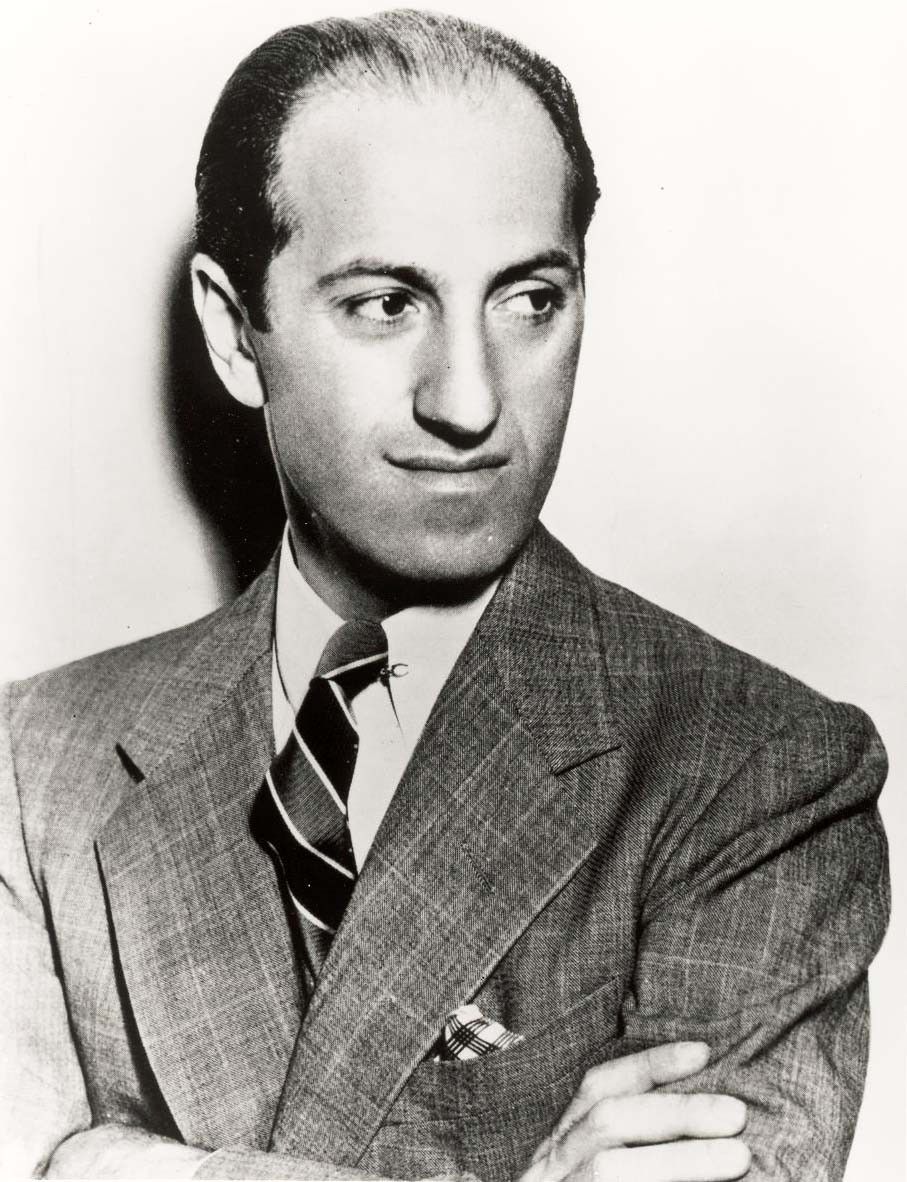
George Gershwin's Popular songs

  • Summertime
  • Song Book: The Man I Love. Slow and in singing style
  • Rhapsody in Blue

Frequently Asked Questions

The great musical border crosser of the 20th century, George Gershwin excelled in the fields of concert music and popular song alike. The son of Jewish immigrants from Russia, he was born Jacob Gershvin in Brooklyn on September 26, 1898. His father ran a great variety of small businesses, and…
George Gershwin's most streamed songs include Summertime, Song Book: The Man I Love. Slow and in singing style, Rhapsody in Blue. These tracks have accumulated millions of plays on Spotify and other major streaming platforms, making them essential listens for both new fans and long-time followers.
George Gershwin is primarily known for american modern classical, frequently fusing it with elements of classical. This genre-blending approach has earned them a dedicated global fanbase and consistent chart placements on platforms like Beatport and Spotify.
You can stream George Gershwin's music on Spotify, Apple Music, YouTube Music, and Amazon Music. Popular tracks like Summertime, Song Book: The Man I Love. Slow and in singing style, Rhapsody in Blue are available on all major platforms. Follow George Gershwin on Spotify to stay updated on new releases.
George Gershwin has over 620.5K+ monthly listeners on Spotify, reflecting a strong and growing global fanbase.
You can also follow George Gershwin on AllEvents to get notified about upcoming concerts and live events near you.
You can find and buy tickets for George Gershwin concerts on AllEvents. Browse upcoming shows, compare dates and venues, and secure your spot before they sell out. George Gershwin is known for high-energy live performances, so tickets tend to go fast.