Eugene Ormandy

Classical Performance

Eugene Ormandy

Upcoming Eugene Ormandy Tour

No Events
Artist isn’t on tour right now. Be the first to know when shows come up


About Eugene Ormandy

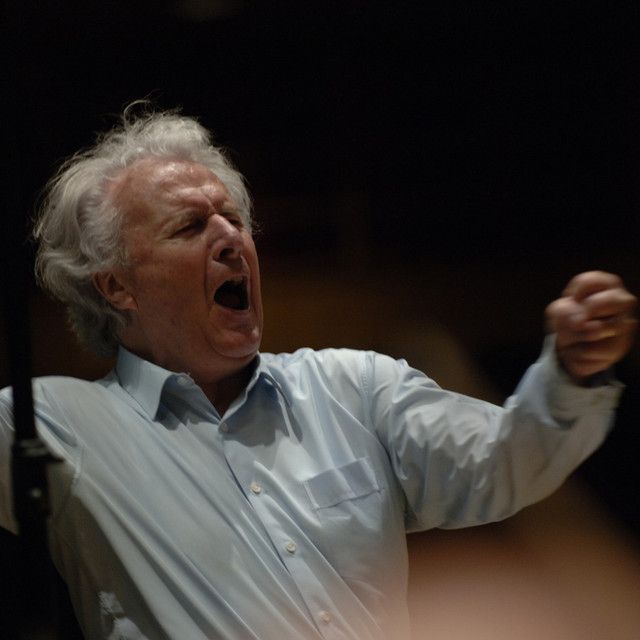
Longtime Philadelphia Orchestra conductor Eugene Ormandy (born Jenó Blau) developed what came to be known as the "Philadelphia Sound." (He groused that it should be called the "Ormandy Sound," even though its fundamentals had already been established during Leopold Stokowski's long tenure with the Philadelphia Orchestra.) Largely as an effort to overcome the dry acoustics of the orchestra's home, the Academy of Music, Ormandy emphasized lush string sonorities and, often, legato phrasing and rounded tone. He was lauded even by his own musicians for his ability to conduct everything from memory, even complex contemporary scores. Still, aside from the voluptuous tone, Ormandy's interpretations rarely bore an individual stamp. They were, however, highly polished, intelligently balanced, and well paced, always serving the scores honorably, and often with a dash of controlled excitement. Ormandy initially studied violin with his father, and entered Budapest's Royal Academy of Music at age 5, falling under the tutelage of Jenö Hubay at 9. He received a teacher's certificate at 17, and served as concertmaster of the Blüthner Orchestra in Germany, also giving recitals and performing as a concerto soloist. He moved to the United States in 1921 (taking citizenship in 1927), lured by the promise of a lucrative concert tour. That tour fell through, though, and Ormandy was forced to make ends meet by taking a back-desk job with the Capitol Theater Orchestra in New York City, accompanying silent films. Ormandy soon advanced to the position of concertmaster, and made his conducting debut there in September 1924 when the regular conductor fell ill. By 1926 he was named the orchestra's associate music director, and made extra money conducting light classics on the radio. Important debuts soon followed: he conducted the New York Philharmonic at Lewisohn Stadium in 1929, and the following year became guest conductor of the Robin Hood Dell Orchestra in Philadelphia. On October 30, 1931, came his first performance with the Philadelphia Orchestra. The following year he was engaged as music director of the Minneapolis Symphony, with which he made several recordings, but he didn't remain long in the Midwest. In 1936 the Philadelphia Orchestra called him back as associate conductor, to share baton duties with Leopold Stokowski, who was being eased out. Ormandy became the orchestra's music director in the autumn of 1938, and held that position for 42 years, until his retirement at the end of the 1979-1980 season (whereupon he was named Conductor Laureate). He led the Philadelphia Orchestra on several national and international tours, including, in 1973, the first appearance of an American symphony orchestra in the People's Republic of China. Ormandy was knighted in 1976 -- Queen Elizabeth II's way of observing the American bicentennial. Ormandy was always a proficient, well-prepared conductor, but he was most comfortable in Romantic and post-Romantic music; especially noteworthy were his performances and recordings of Richard Strauss and Sergei Rachmaninov. He established an especially close professional relationship with the latter in the 1930s, and premiered his Symphonic Dances. Ormandy also led the first performances of many works by American composers, and gave the U.S. premieres of several Shostakovich symphonies, among other works. In 1948 he led the Philadelphia Orchestra in the first symphony concert broadcast on American TV, beating Arturo Toscanini and the NBC Symphony by 90 minutes. Ormandy and the orchestra recorded extensively for Columbia and RCA, especially during the stereo LP era; their discography ranged from the first recording of Shostakovich's thorny Symphony No. 4 to "easy listening" treatments of recent movie music, harking back to his nights in the Capitol Orchestra.

Read more

Popular song

Eugene Ormandy fans also like

About Eugene Ormandy

Longtime Philadelphia Orchestra conductor Eugene Ormandy (born Jenó Blau) developed what came to be known as the "Philadelphia Sound." (He groused that it should be called the "Ormandy Sound," even though its fundamentals had already been established during Leopold Stokowski's long tenure with the Philadelphia Orchestra.) Largely as an effort to overcome the dry acoustics of the orchestra's home, the Academy of Music, Ormandy emphasized lush string sonorities and, often, legato phrasing and rounded tone. He was lauded even by his own musicians for his ability to conduct everything from memory, even complex contemporary scores. Still, aside from the voluptuous tone, Ormandy's interpretations rarely bore an individual stamp. They were, however, highly polished, intelligently balanced, and well paced, always serving the scores honorably, and often with a dash of controlled excitement. Ormandy initially studied violin with his father, and entered Budapest's Royal Academy of Music at age 5, falling under the tutelage of Jenö Hubay at 9. He received a teacher's certificate at 17, and served as concertmaster of the Blüthner Orchestra in Germany, also giving recitals and performing as a concerto soloist. He moved to the United States in 1921 (taking citizenship in 1927), lured by the promise of a lucrative concert tour. That tour fell through, though, and Ormandy was forced to make ends meet by taking a back-desk job with the Capitol Theater Orchestra in New York City, accompanying silent films. Ormandy soon advanced to the position of concertmaster, and made his conducting debut there in September 1924 when the regular conductor fell ill. By 1926 he was named the orchestra's associate music director, and made extra money conducting light classics on the radio. Important debuts soon followed: he conducted the New York Philharmonic at Lewisohn Stadium in 1929, and the following year became guest conductor of the Robin Hood Dell Orchestra in Philadelphia. On October 30, 1931, came his first performance with the Philadelphia Orchestra. The following year he was engaged as music director of the Minneapolis Symphony, with which he made several recordings, but he didn't remain long in the Midwest. In 1936 the Philadelphia Orchestra called him back as associate conductor, to share baton duties with Leopold Stokowski, who was being eased out. Ormandy became the orchestra's music director in the autumn of 1938, and held that position for 42 years, until his retirement at the end of the 1979-1980 season (whereupon he was named Conductor Laureate). He led the Philadelphia Orchestra on several national and international tours, including, in 1973, the first appearance of an American symphony orchestra in the People's Republic of China. Ormandy was knighted in 1976 -- Queen Elizabeth II's way of observing the American bicentennial. Ormandy was always a proficient, well-prepared conductor, but he was most comfortable in Romantic and post-Romantic music; especially noteworthy were his performances and recordings of Richard Strauss and Sergei Rachmaninov. He established an especially close professional relationship with the latter in the 1930s, and premiered his Symphonic Dances. Ormandy also led the first performances of many works by American composers, and gave the U.S. premieres of several Shostakovich symphonies, among other works. In 1948 he led the Philadelphia Orchestra in the first symphony concert broadcast on American TV, beating Arturo Toscanini and the NBC Symphony by 90 minutes. Ormandy and the orchestra recorded extensively for Columbia and RCA, especially during the stereo LP era; their discography ranged from the first recording of Shostakovich's thorny Symphony No. 4 to "easy listening" treatments of recent movie music, harking back to his nights in the Capitol Orchestra.

Eugene Ormandy's Popular songs

  • Schwanengesang, D.957: No. 4 Serenade
  • Adagio for Strings, Op.11
  • The Blue Danube

Frequently Asked Questions

Longtime Philadelphia Orchestra conductor Eugene Ormandy (born Jenó Blau) developed what came to be known as the "Philadelphia Sound." (He groused that it should be called the "Ormandy Sound," even though its fundamentals had already been established during Leopold Stokowski's long tenure with the …
Eugene Ormandy's most streamed songs include Schwanengesang, D.957: No. 4 Serenade, Adagio for Strings, Op.11, The Blue Danube. These tracks have accumulated millions of plays on Spotify and other major streaming platforms, making them essential listens for both new fans and long-time followers.
Eugene Ormandy is primarily known for classical performance, frequently fusing it with elements of orchestral performance. This genre-blending approach has earned them a dedicated global fanbase and consistent chart placements on platforms like Beatport and Spotify.
You can stream Eugene Ormandy's music on Spotify, Apple Music, YouTube Music, and Amazon Music. Popular tracks like Schwanengesang, D.957: No. 4 Serenade, Adagio for Strings, Op.11, The Blue Danube are available on all major platforms. Follow Eugene Ormandy on Spotify to stay updated on new releases.
Eugene Ormandy has over 652.3K+ monthly listeners on Spotify, reflecting a strong and growing global fanbase.
You can also follow Eugene Ormandy on AllEvents to get notified about upcoming concerts and live events near you.
You can find and buy tickets for Eugene Ormandy concerts on AllEvents. Browse upcoming shows, compare dates and venues, and secure your spot before they sell out. Eugene Ormandy is known for high-energy live performances, so tickets tend to go fast.