Dorothy Ashby

Jazz Funk

Dorothy Ashby

Upcoming Dorothy Ashby Tour

No Events
Artist isn’t on tour right now. Be the first to know when shows come up


About Dorothy Ashby

Harpist Dorothy Ashby was one of the very first to bring the harp into a prominent role in jazz. In the late '50s, Ashby started releasing albums where her harp was the lead instrument, whereas beforehand, harp in jazz contexts was mostly relegated to backing texture or flourishes. Though Ashby worked as a side player for many big names throughout her career, her records as a leader were her most important contribution to jazz on the whole, growing from roots in bebop on sets like 1958's Hip Harp to incorporate elements of Brazilian music, electrified soul, world influences, and even psychedelia on efforts like her especially tuned-in 1968 album Afro-Harping. Ashby remained active up until her death in the late '80s, and the influence of her visionary work can be heard in subsequent generations of harp players expanding the boundaries of genre and expression. Ashby was born Dorothy Jeanne Thompson in Detroit in 1932. She grew up in a family connected to Detroit's jazz scene and was playing piano at a young age. After graduating from Wayne State University with a major in piano, Ashby switched her main instrument from piano to harp around 1952. At the time, harp was seldom seen in jazz circles and largely considered more of a classical instrument. Ashby pioneered jazz harp, working with saxophonist/flutist Frank Wess on 1957's The Jazz Harpist and two 1958 outings, Hip Harp and In a Minor Groove, to find a sound that let harp lead standards and bop numbers. This approach was all but unheard of at the time, and Ashby continued releasing harp-centered jazz albums throughout the '60s, including efforts like 1965's The Fantastic Jazz Harp of Dorothy Ashby for Atlantic Records. In the late '60s, Ashby's music expanded somewhat, incorporating more wide-reaching styles on the psychedelic soul jazz of 1968's monumental Afro-Harping and 1969's Dorothy's Harp. In 1970, she released the even more experimental album The Rubaiyat of Dorothy Ashby, which found her playing both harp and koto on funky, somewhat orchestral soul jazz tracks. The album even found Ashby singing on a few tracks, and a larger band was arranged and conducted by Richard Evans. Throughout the '70s and into the '80s, Ashby played harp on records by Bill Withers, Stevie Wonder, Stanley Turrentine, and Minnie Riperton, among many other jazz and soul greats, and she released a few more records of her own before dying of cancer in 1986. Ashby's trailblazing as a jazz harpist unconcerned with conforming to the expected opened doors for everyone who followed. Even by the mid-'60s, Ashby was trading notes with fellow Detroit-born harpist and contemporary peer Alice Coltrane, and in the years after her death, ripples of Ashby's influence can be heard not just in harpists like Brandee Younger and Zeena Parkins, but in certain spheres of indie rock, rap, experimental music, and beyond. In 2023, box set release With Strings Attached, 1957-1965 remastered Ashby's first six albums, giving new listeners a chance to own her long-out-of-print early catalog. ~ Fred Thomas, Rovi

Read more

Popular song

Dorothy Ashby fans also like

About Dorothy Ashby

Harpist Dorothy Ashby was one of the very first to bring the harp into a prominent role in jazz. In the late '50s, Ashby started releasing albums where her harp was the lead instrument, whereas beforehand, harp in jazz contexts was mostly relegated to backing texture or flourishes. Though Ashby worked as a side player for many big names throughout her career, her records as a leader were her most important contribution to jazz on the whole, growing from roots in bebop on sets like 1958's Hip Harp to incorporate elements of Brazilian music, electrified soul, world influences, and even psychedelia on efforts like her especially tuned-in 1968 album Afro-Harping. Ashby remained active up until her death in the late '80s, and the influence of her visionary work can be heard in subsequent generations of harp players expanding the boundaries of genre and expression. Ashby was born Dorothy Jeanne Thompson in Detroit in 1932. She grew up in a family connected to Detroit's jazz scene and was playing piano at a young age. After graduating from Wayne State University with a major in piano, Ashby switched her main instrument from piano to harp around 1952. At the time, harp was seldom seen in jazz circles and largely considered more of a classical instrument. Ashby pioneered jazz harp, working with saxophonist/flutist Frank Wess on 1957's The Jazz Harpist and two 1958 outings, Hip Harp and In a Minor Groove, to find a sound that let harp lead standards and bop numbers. This approach was all but unheard of at the time, and Ashby continued releasing harp-centered jazz albums throughout the '60s, including efforts like 1965's The Fantastic Jazz Harp of Dorothy Ashby for Atlantic Records. In the late '60s, Ashby's music expanded somewhat, incorporating more wide-reaching styles on the psychedelic soul jazz of 1968's monumental Afro-Harping and 1969's Dorothy's Harp. In 1970, she released the even more experimental album The Rubaiyat of Dorothy Ashby, which found her playing both harp and koto on funky, somewhat orchestral soul jazz tracks. The album even found Ashby singing on a few tracks, and a larger band was arranged and conducted by Richard Evans. Throughout the '70s and into the '80s, Ashby played harp on records by Bill Withers, Stevie Wonder, Stanley Turrentine, and Minnie Riperton, among many other jazz and soul greats, and she released a few more records of her own before dying of cancer in 1986. Ashby's trailblazing as a jazz harpist unconcerned with conforming to the expected opened doors for everyone who followed. Even by the mid-'60s, Ashby was trading notes with fellow Detroit-born harpist and contemporary peer Alice Coltrane, and in the years after her death, ripples of Ashby's influence can be heard not just in harpists like Brandee Younger and Zeena Parkins, but in certain spheres of indie rock, rap, experimental music, and beyond. In 2023, box set release With Strings Attached, 1957-1965 remastered Ashby's first six albums, giving new listeners a chance to own her long-out-of-print early catalog. ~ Fred Thomas, Rovi
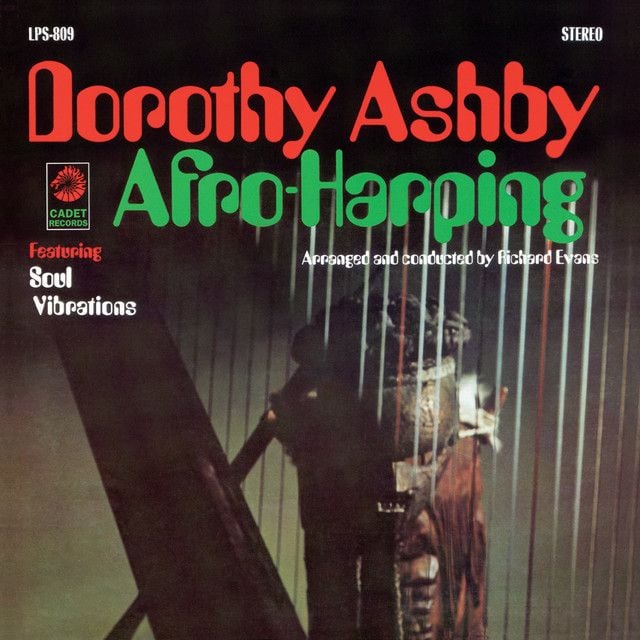
Dorothy Ashby's Popular songs

  • Come Live With Me
  • Little Sunflower
  • Afro-Harping

Frequently Asked Questions

Harpist Dorothy Ashby was one of the very first to bring the harp into a prominent role in jazz. In the late '50s, Ashby started releasing albums where her harp was the lead instrument, whereas beforehand, harp in jazz contexts was mostly relegated to backing texture or flourishes. Though Ashby…
Dorothy Ashby's most streamed songs include Come Live With Me, Little Sunflower, Afro-Harping. These tracks have accumulated millions of plays on Spotify and other major streaming platforms, making them essential listens for both new fans and long-time followers.
Dorothy Ashby is primarily known for jazz funk, frequently fusing it with elements of jazz harp. This genre-blending approach has earned them a dedicated global fanbase and consistent chart placements on platforms like Beatport and Spotify.
You can stream Dorothy Ashby's music on Spotify, Apple Music, YouTube Music, and Amazon Music. Popular tracks like Come Live With Me, Little Sunflower, Afro-Harping are available on all major platforms. Follow Dorothy Ashby on Spotify to stay updated on new releases.
Dorothy Ashby has over 504.3K+ monthly listeners on Spotify, reflecting a strong and growing global fanbase.
You can also follow Dorothy Ashby on AllEvents to get notified about upcoming concerts and live events near you.
You can find and buy tickets for Dorothy Ashby concerts on AllEvents. Browse upcoming shows, compare dates and venues, and secure your spot before they sell out. Dorothy Ashby is known for high-energy live performances, so tickets tend to go fast.